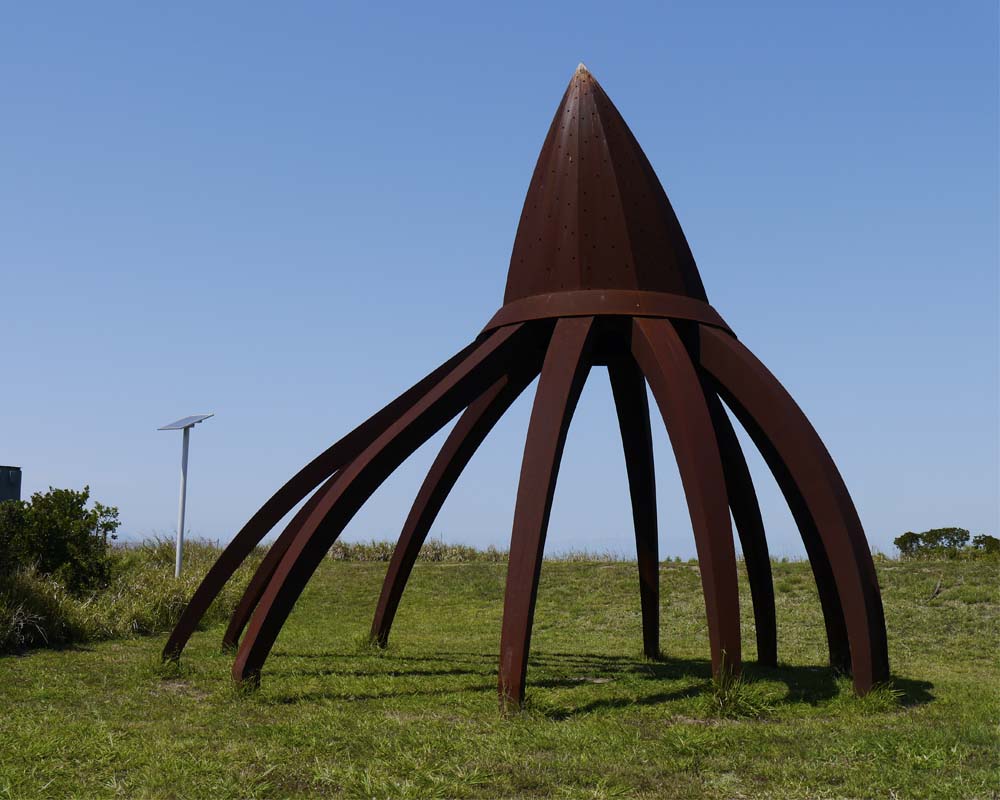
Delight: mystery beach structure

This week's Delight takes us to the sea side. We are off to Yamba, a town with a truly spectacular coastal setting in northern New South Wales.

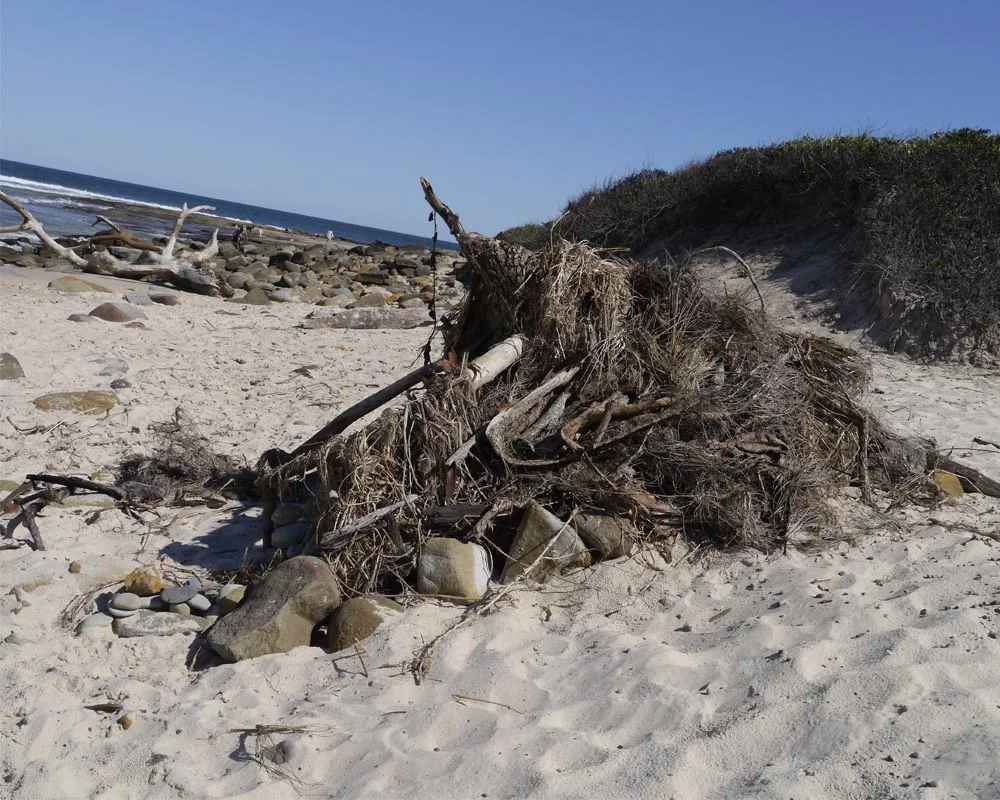
In November last year, this intriguing structure was seen at the southern end of Pippi Beach.

Is it a shelter? A play structure? A den of iniquity for unsavoury practices? 

Does it really matter? I think not. Isn't it lovely though...

How I Visited Colombia and Ended Up With a Book Deal

Remember what you were doing on the 8th of June 2008?

I was leaving Colombia, having visited Bogota (the capital), Medellin (the city you’ve seen on the news), and Bucaramanga (the city you may never have heard of, high in the mountains).

My visit to this fascinating country was possible because I’d been fortunate to win a travel bursary, awarded by the Centre for Subtropical Design here in Brisbane.

In my bursary application I'd proposed visiting Medellin, a city that had been brought to its knees by cocaine, but was fighting back with a determined vision to re-engage its people with their hometown.

A public transport system of metro, buses and cable cars was in place. New public parks and plazas had been built all across the city: high quality, well-designed places, nearly all paired with public buildings such as libraries, museums, council offices and schools.

The Orchideorama, at the Medellin Botanic Gardens

The Orchideorama, at the Medellin Botanic Gardens

Plaza de Cisneros (known also as Plaza de las Luces or Plaza de la Luz- Light Plaza) with the EPM Library in the background.

Plaza de Cisneros (known also as Plaza de las Luces or Plaza de la Luz- Light Plaza) with the EPM Library in the background.

In Medellin, parks were being used as agents of social change.

Bucaramanga was different. I wanted to visit Parque del Agua, a public park built by the local water authority on its grounds. The water treatment plant had operated here for many years, with locals using the land around as an informal park.  This eventually stopped as the plant grew, and the authority moved its headquarters into town.
 In 2001, the manager moved his operations back to the original site, and with support from the mayor, proposed a public park for the site.

Administrative and treatment functions are co-located with public parkland at the Parque del Agua.

Administrative and treatment functions are co-located with public parkland at the Parque del Agua.

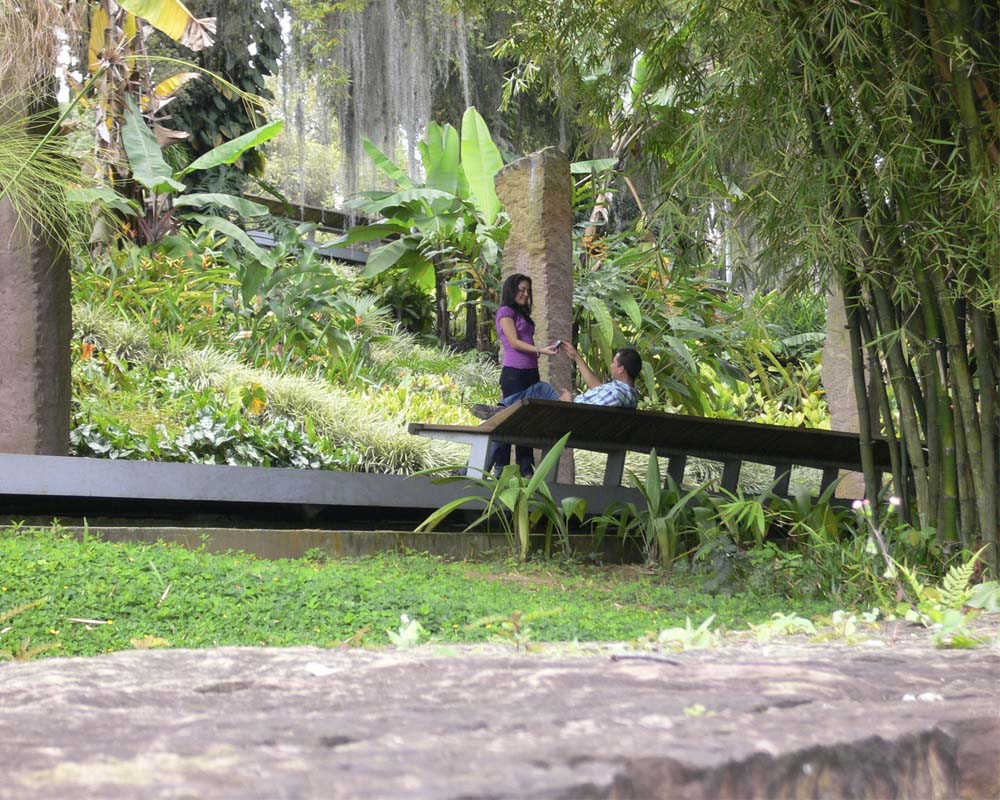
The park is lush, cool, and incredibly popular.

The park is lush, cool, and incredibly popular.

In Bucaramanga, Parque del Agua showed one way to co-locate a park with another public utility.

From Colombia I travelled to the United States, where I'd arranged to meet with Friends of the High Line.  At the time, work had just begun on transforming the disused, elevated rail line into a park, but there was already a buzz about the project.

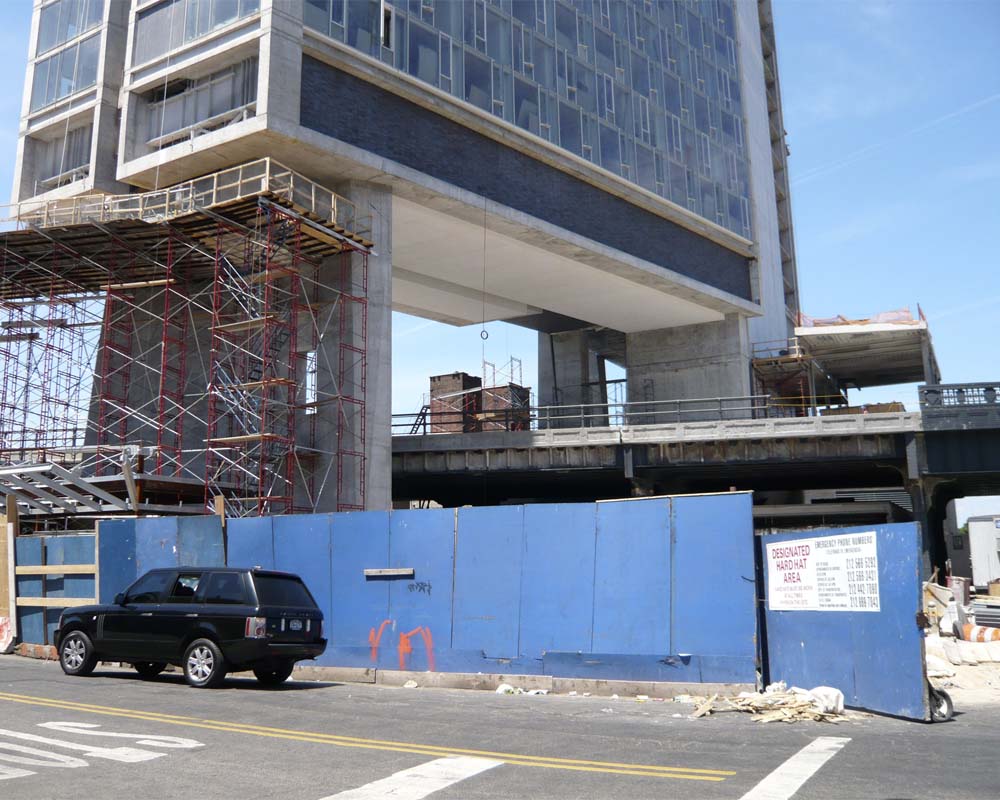
Renovating the structure of the High Line in 2008, prior to its reinvention as a park. The Standard Hotel is under construction over and above the rail line.

Renovating the structure of the High Line in 2008, prior to its reinvention as a park. The Standard Hotel is under construction over and above the rail line.

The same section of the High Line in 2010, a year after opening. The Standard had also enjoyed its first year of encouraging guests to wear robes when standing adjacent the full height windows, lest they startle park strollers below.

The same section of the High Line in 2010, a year after opening. The Standard had also enjoyed its first year of encouraging guests to wear robes when standing adjacent the full height windows, lest they startle park strollers below.

In New York, the High Line was showing how a park could link and reveal previously disconnected places.

From each of these places the germ of an idea was born.

On my return to Australia I was interviewed for ABC Radio's long-running weekly radio show, By Design. And that interview was heard by the fabulous Mr Ted Hamilton at CSIRO Publishing, who presented me with an opportunity to develop my fledgling ideas into a book.

Three years later I had visited many more inspiring parks, and read about the work of visionary designers, researchers, artists, managers, governments and communities around the world.  All of them had the courage to address the urban challenges they were facing, and to think differently about the ways public parks and people places could provide solutions.

It's been a long time coming, but finally, this week, Future Park: imagining tomorrow's urban parks has left home to be printed.

One of the hardest things has been stopping: with new, creative approaches to making city parks emerging every week, it’s been a constant temptation to include ‘just one more’.  Now, when I find projects that look interesting and relevant I share them on Twitter.

One of the most amazing things has been the encouragement and contributions of so many brilliant people.  There may just be one person tapping at the keyboard, but the human infrastructure supporting this project has been extraordinary. In particular, I had the extreme pleasure to collaborate with Nicole Phillips as my book designer.  When you see how great the final product looks, I think you'll agree that she has done a damn fine job.  It’s a cliché to say it wouldn’t have happened without all of you, but it’s true nonetheless.

So there you have it.  For everyone who has asked how it all came about…now you know!

There’s usually only one final question - now what?

The book is due for release in September.  If you’re in Brisbane, there’s going to be a launch event at Avid Reader bookstore in West End on Wednesday, 25th September. 

Come along and say hi!

Design Class: make analysis your friend

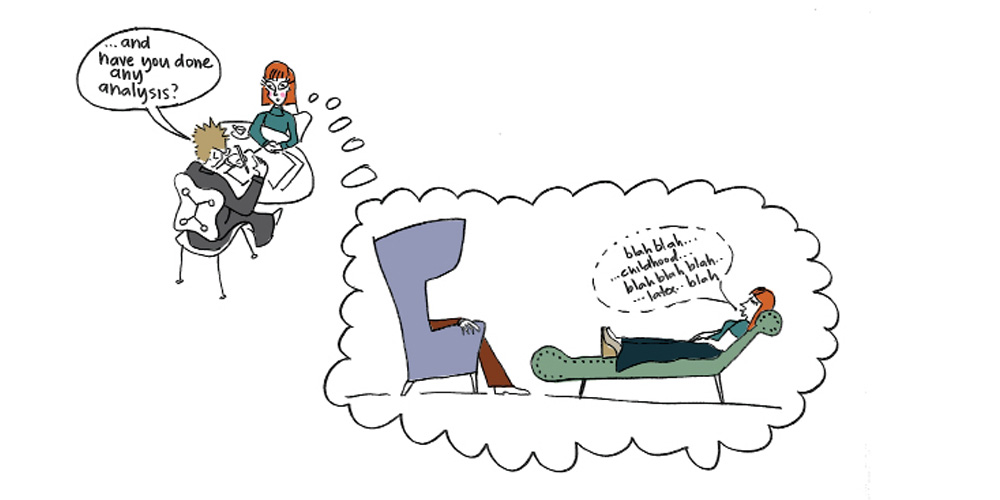
Have you ever had a designer ask if you’ve done any analysis?

Has it given you pause for concern, wondering if the headscarf and Jackie O sunnies you’ve been wearing to your therapy appointments are not proving such a great disguise after all? 

Fear not.

The type of analysis we’re talking about will leave your darkest thoughts blissfully unprodded, whilst helping you clearly and methodically understand what’s going on in your own back yard.

Site Analysis

A site analysis is best undertaken before starting any design work. Your designer should carry out her own analysis, based on research and observations on site.

You’re carrying out your own site analysis when you notice things that occur at different parts of the garden, at different times of day or year.  All of these observations can be compiled onto one or more site analysis diagrams.  We'll start with a simple plan that shows the location of your house on its site: 

Here are 5 things to consider when analysing your site: 

1.  Orientation

We’ve discussed Orientation in an earlier Design 101 post, so check in here to learn why it’s important to know where the sun rises and sets in relation to your place. 

2.  Noise

Whether it’s the teenage drum champion next door or the birdsong from the trees up the road, it’s useful to understand the source of both welcome and unwelcome sounds. 

3.  Views and Privacy

Who can see you, and who can you see from different parts of your property?  Where are there great views? 

4.  Drainage

What happened in the last big downpour? Where did the water go? Did it flow freely and soak away quickly, or did it pond in one place for ages? 

Landscapology_Analysis7.jpg

5.  Access and movement

Are there some parts of your garden you never use (or maintain) because it’s just too hard to get there? What about the connections between important destinations, like the house or street?  Where do different types of movement intersect: vehicles, pedestrians, bicycles? How about fencing: are there fences and gates, and who or what are they protecting - kids in? cars out? pets in?

In our next Design 101 we will complete our Top 10 things to analyse on your site before starting design. We will spend more time in future posts looking at different ways you could respond to your findings. Everyone’s response will be different, but the important thing is to start with a clear understanding of what physical conditions you have to work with on your particular site.

Now it’s over to you.

Look at your garden (or house, or room, or park) again with fresh eyes, and quickly run through these first 5 points of analysis.  How many of these items are things you’ve always been aware of, without describing what you were doing as a site analysis?  How many other things have you just noticed, even though they were there all along.

Let me know in the comments section.

Of course, if you found this interesting and useful, why not double the fun and share it with a friend. 

Serenity...in the Least Likely Location

What’s the least likely place for a park that you can imagine?

Next to a busy freeway perhaps? On top of a rubbish dump?

How about next door to a sewage treatment plant?

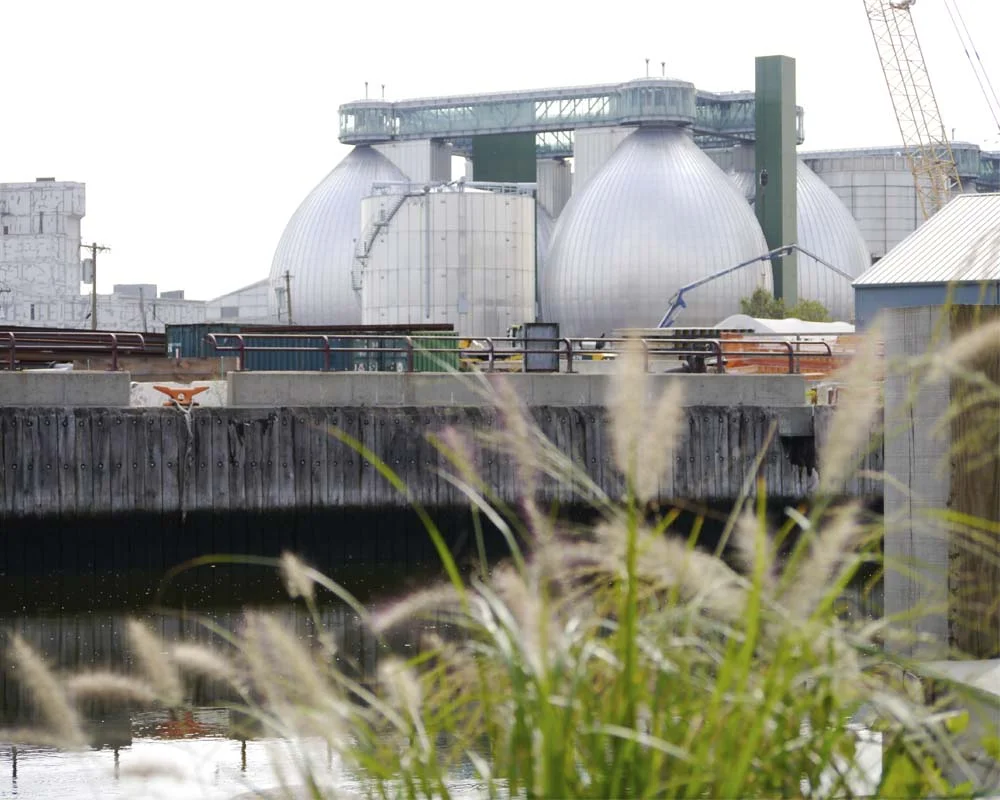
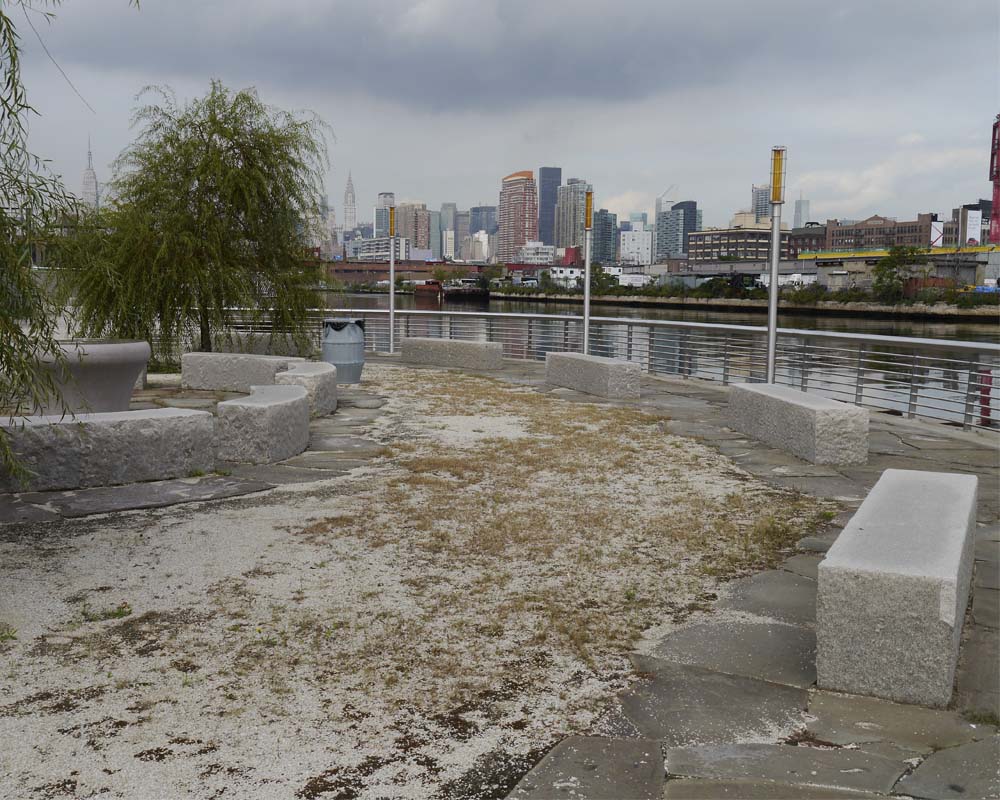
The Newtown Creek Nature Walk in Brooklyn not only ekes out a sliver of public access to a contested waterfront, but brings visitors face-to-face with the biggest sewage treatment plant in New York City.

George Trakas was engaged to bring an artful approach to developing the nature walk.  A distinguished artist with significant experience working in complex waterfront sites, Trakas has twice received National Endowment for the Arts Fellowships, and is a medal winner for sculpture from the American Society of Arts and Letters, which honoured his unique “vision of landscape”.

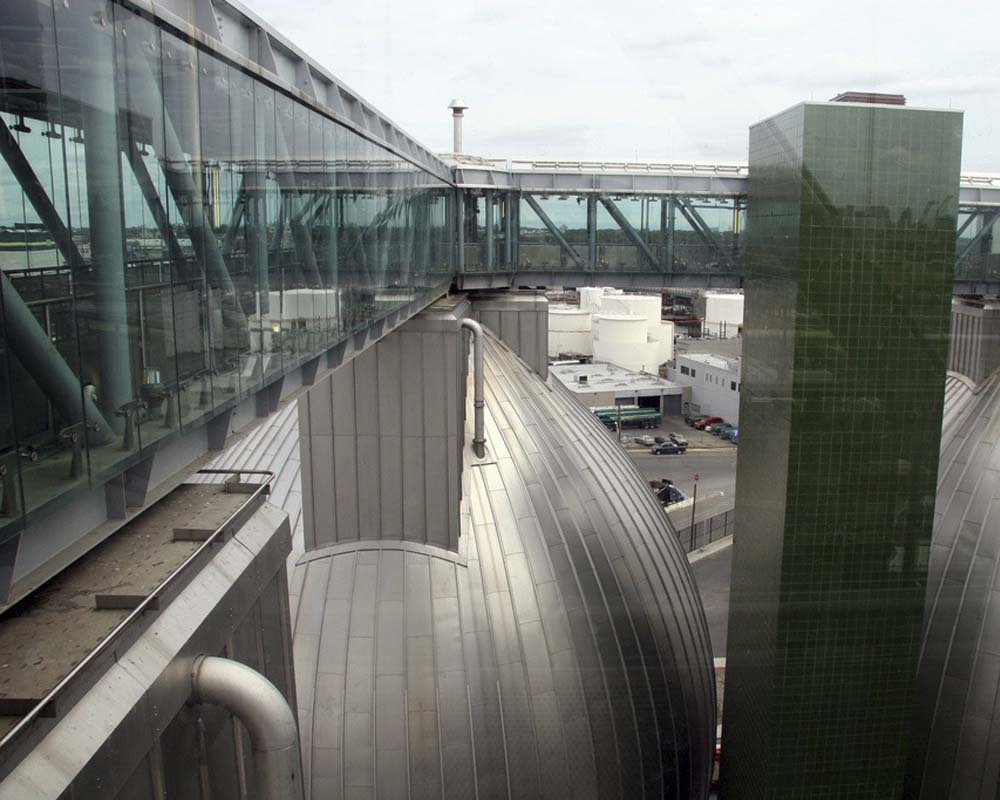
Newtown Creek Wastewater Treatment Plant is a dramatic and exciting assembly of pipes and tubes and shiny things, lit an otherwordly purple at night, and all dominated by four enormous pieces of industrial-Faberge-chic. These are the symbolic and literal centrepiece of the plant: referred to in the industry as ‘digestor eggs’ this is where the business end of sewage treatment takes place.  They loom over the waterway, linked together at the top with a glass-walled walkway, like a setting from Metropolis, or Gattaca, and the public applies in droves to see the eggs up close whenever the plant advertises tours.

Image by joevar. Licensed under Creative Commons Attribution-NoDerivs 2.0 Generic (CC BY-ND 2.0). Retrieved from http://www.flickr.com/photos/57462257@N00/4006853382/in/photolist-775aV1-775aME-7758U7-775bso-775867-775ba3-771c1n-771eAv-771gYz-77…

Image by joevar. Licensed under Creative Commons Attribution-NoDerivs 2.0 Generic (CC BY-ND 2.0). Retrieved from http://www.flickr.com/photos/57462257@N00/4006853382/in/photolist-775aV1-775aME-7758U7-775bso-775867-775ba3-771c1n-771eAv-771gYz-771cfX-771eVX-7758p9-771dFX

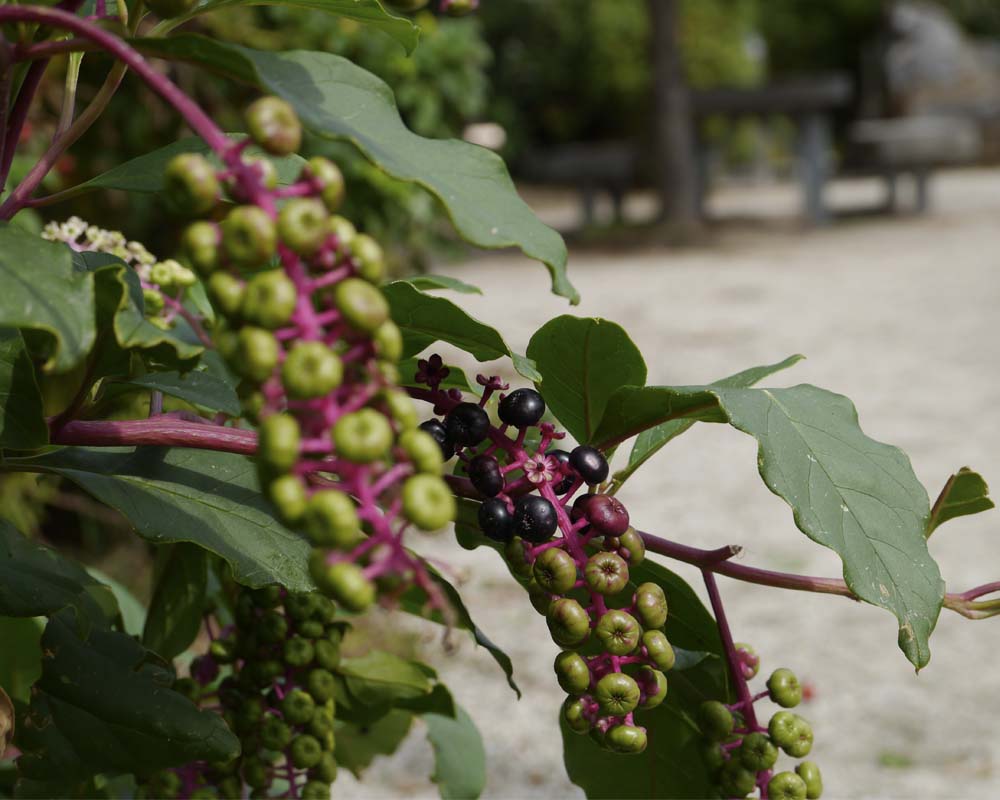
If the treatment plant looks like a vision from the future, the park opposite references a time past, one where Newtown Creek flowed fresh and clear, as it did when the indigenous Lenape people made their home here.  Trakas’s artwork is multilayered and comprehensive.  Particular plant species were chosen for their cultural or historic significance, which is relayed on small plaques. 

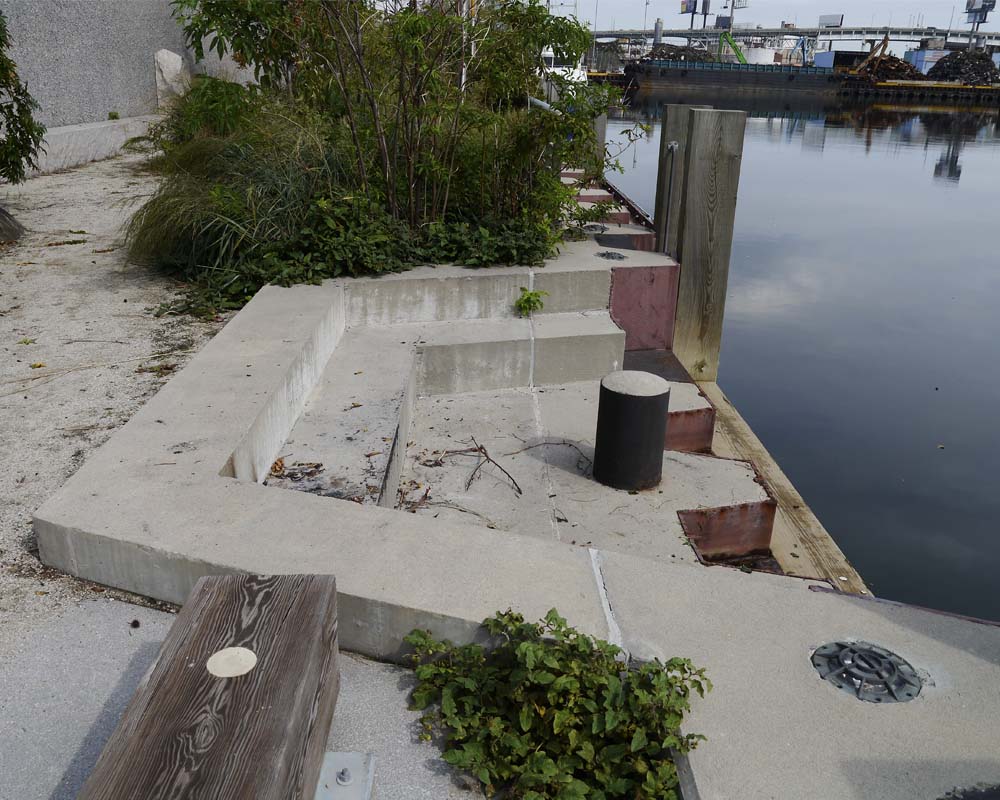
Other interpretive signage informs visitors that rubbish bins are made in the shape of old water barrels, steps down to the water reference geological epochs... 

...as do rocks placed amongst the planting.

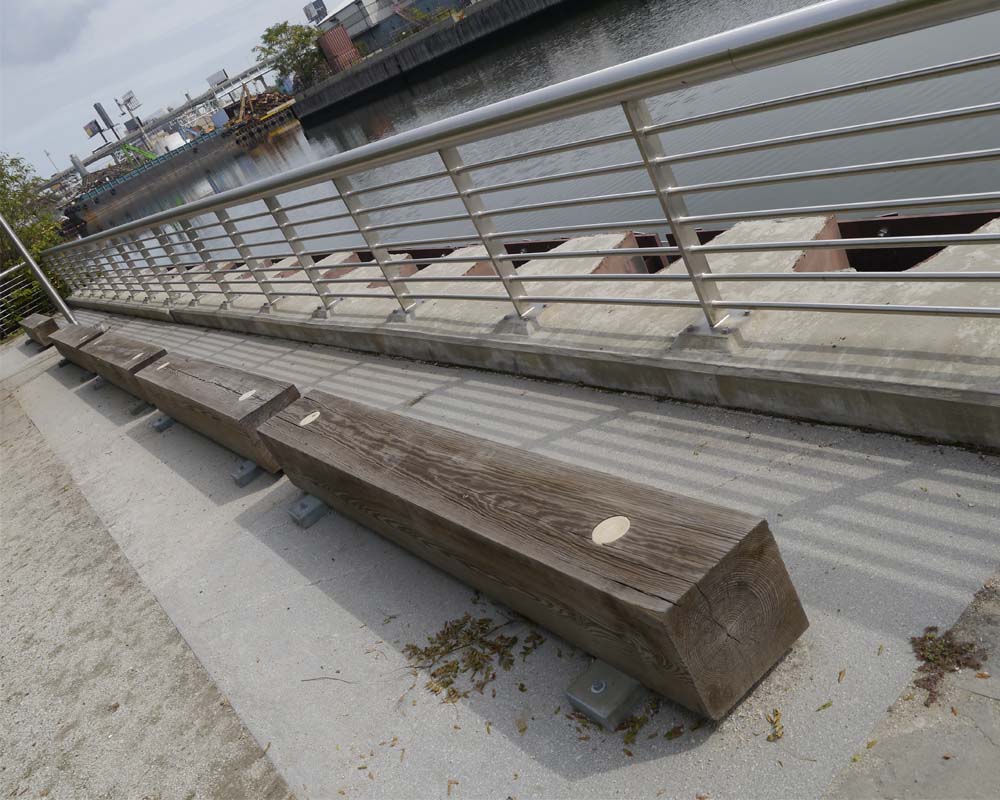
Newtown Creek Nature Walk is tough and robust, like the gritty waterfront precinct it fronts.  Yes, there are some trees in place now, but the overwhelming view is of industry:  big barges with cranes on them moving crushed up metal onto smaller barges with old tyres round their waterlines; big light towers, the undersides of big bridges, big billboards, big warehouse buildings - everything big and muscular. 

The detailing of the Nature Walk responds to this muscularity, with big concrete steps, sheet piling and massive bench seats. 

Within this tough exoskeleton, moments of delight are to be found.  A circular gathering point invites groups to stop by the edge...

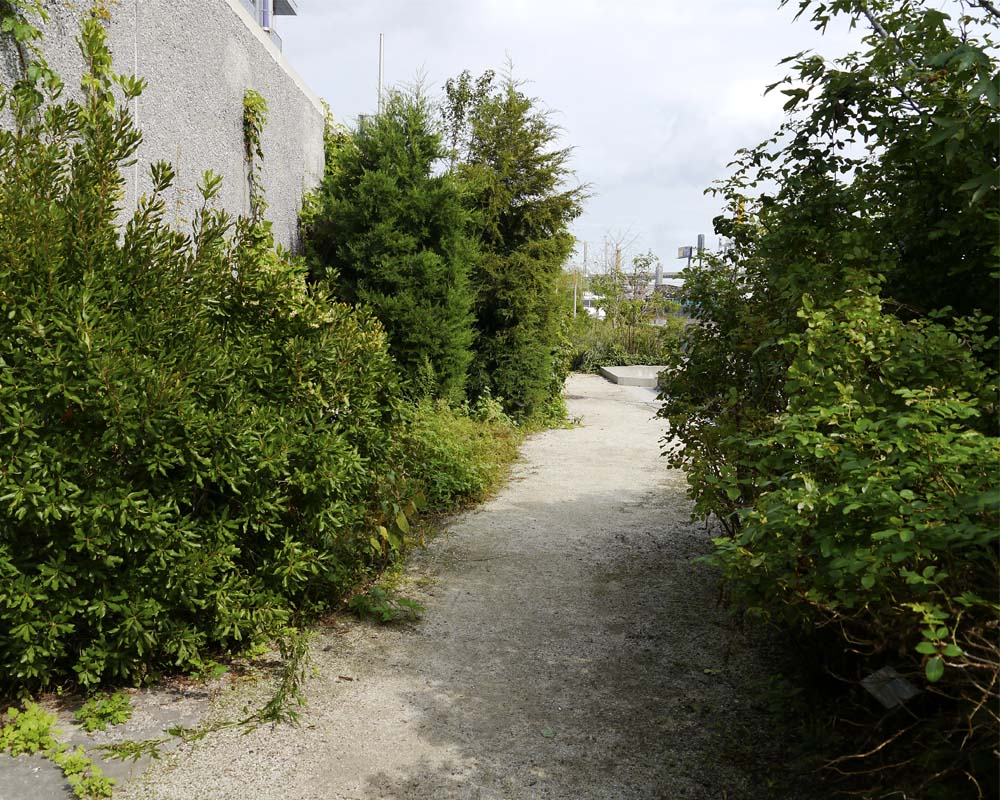
...planting creates tall green tunnels...

...and flowers and foliage appear more brilliant against the grey stone and concrete. 

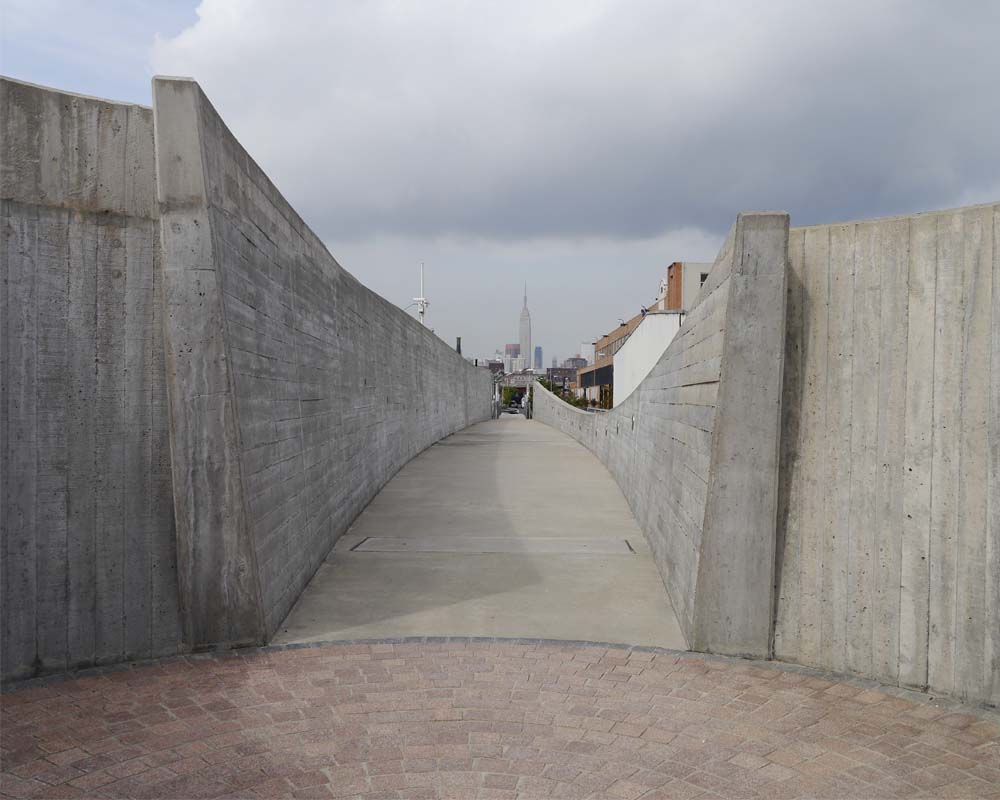
Retracing their path to the entry visitors pass through the swollen concrete walls of George Trakas’s 51 metre-long Vessel. Holes punched through the walls allow glimpses of the mechanical equipment and processes going on behind. The view straight down the centre of Vessel aligns with the Empire State Building, seemingly a world away from the unexpected tranquillity of this park-like space next to the sewage treatment plant. 

Now it’s over to you.

What do you think of the idea of public parkland in such an unusual location? Do you think the artistic overlay has resulted in a more engaging space? Leave a comment below letting me know.

If you know someone who’d enjoy reading this article be sure to share it, and check back soon for more from the wonderful world of parks, gardens and landscapes.

Details

This article is an edited extract from my book Future Park: imagining tomorrow’s urban parks, released this September by CSIRO Publishing.

The Newtown Creek Alliance is a "community-based organisation dedicated to restoring, revealing, and revitalising Newtown Creek".

The Visitor Centre at the  Newtown Creek Wastewater Treatment Plant is open by appointment.

The Treatment Plant was open as a part of Open House New York 2012.  Listings for OHNY 2013 will be released at the start of October.

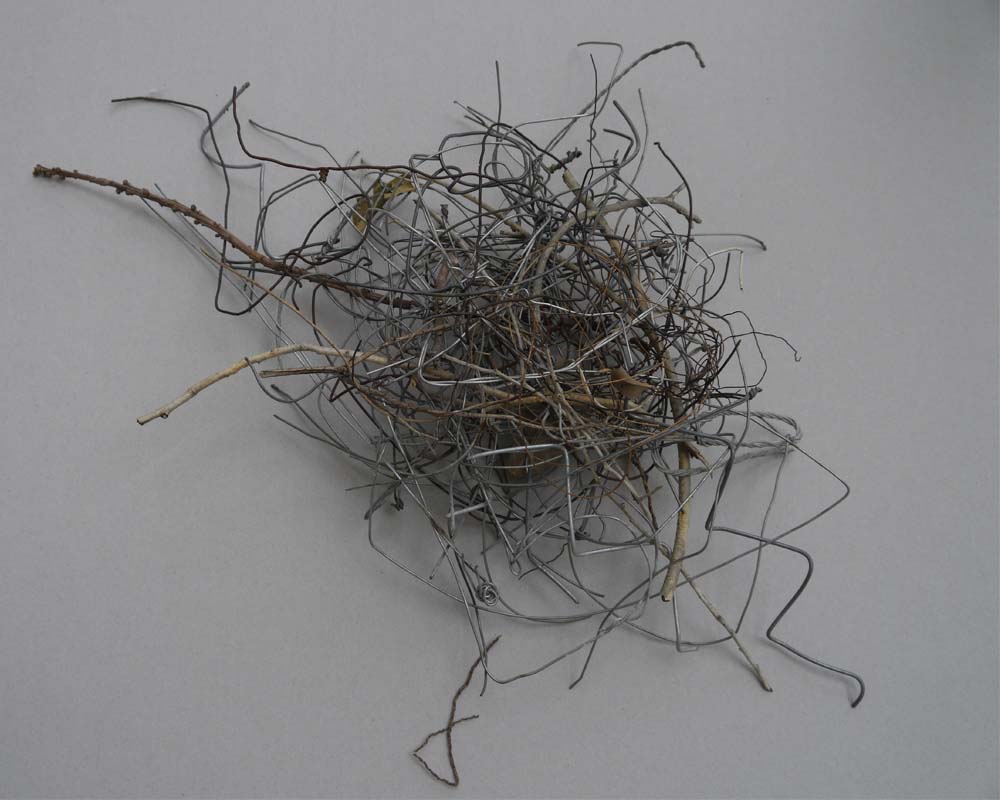
Delight: the magpie nest

Sharp-eyed observers may have noticed the jumble of wire and sticks keeping me company on my Twitter feed.

The jumble is, in fact, the crown jewel in my small but treasured collection of birds' nests.

(Before you start panicking, no innocent avian families were evicted to fuel my curiosity. All the nests I've collected have been found long-abandoned, usually dislodged from trees during storms.)

The magpie nest is no exception.  It came to ground in a park close to Landscapology HQ during a skull-rattling thunderstorm at the end of last year, along with several trees, many branches, and a potentially lethal confetti of Kauri Pine cones.

The Australian Magpie (Cracticus tibicen) is a handsome birdy, dressed and ready for the ball in glossy black and white plumage.

Image credit: John O'Neill, Wikimedia Commons, released under GNU Free Documentation License Version 1.2 http://upload.wikimedia.org/wikipedia/commons/6/6e/Australian_Magpie_2%2C_jjron%2C_5.07.10.jpg

Image credit: John O'Neill, Wikimedia Commons, released under GNU Free Documentation License Version 1.2 http://upload.wikimedia.org/wikipedia/commons/6/6e/Australian_Magpie_2%2C_jjron%2C_5.07.10.jpg

Magpies build up their flat, shallow nests in layers - generally tough on the outside and softer in the centre - using sticks, twigs, grass and hair.

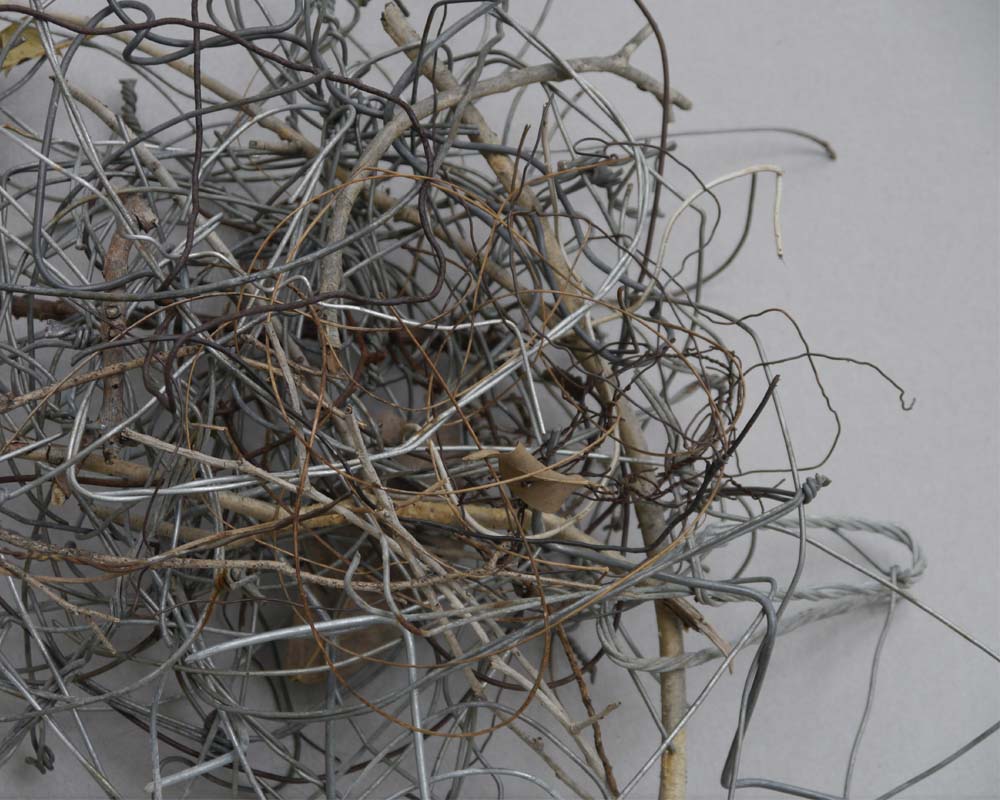
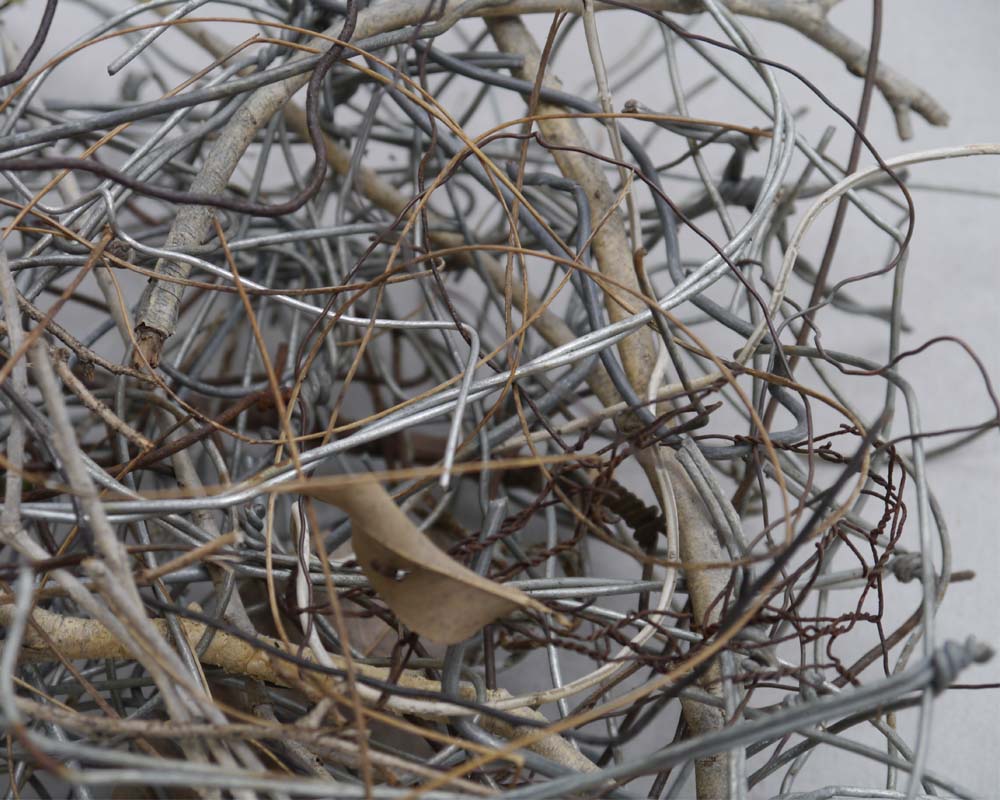
In urban environments, human-made materials are often found, such as the wire in this nest. 

Even when this is the case, the heavier gauges are still found on the outside, in this case forming a strong triangular armature for the rest of the nest, with the finer wires closer to the top and centre.

The strength of the magpie's beak is evident when you realise just how substantial some of these wires are: this is no unfurled paperclip we're talking about, the base wires here are twice the thickness of a dry cleaner's wire hanger.  Those same beaks have then also placed the flimsiest fibres just so.

This nest holds a special place in my heart for the way it seamlessly weaves together the natural and the artificial - the landscape and the architecture, if you will - to create something of create strength, adaptability and beauty.

In Tags ,

Things Are Peachy on the Bluewater Trail

Mackay, on the central Queensland coast, was once home to a woman, the wife of a manager of a sugarcane mill, who became so famous she had a dessert named after her.

Admittedly this is an unusual way to honour outstanding achievement, but then Dame Nellie Melba was no ordinary mill manager’s wife. Today Nellie Melba would not recognise the city where she once escaped the sweltering heat with musical gatherings at the School of Arts.

One thing she may enjoy though, is taking a gentle turn around the terrific Bluewater Trail.

Trail signage utilising salvaged wharf timber

Trail signage utilising salvaged wharf timber

In the past decade Mackay Regional Council has invested heavily in its Bluewater Trail. This multi-million dollar network is a remarkable linkage park, connecting people both back to and along a vast length of the Pioneer River from the Botanic Gardens to the rivermouth.

Sugar mill on the horizon - seen from the trail at the Botanic Gardens.

Sugar mill on the horizon - seen from the trail at the Botanic Gardens.

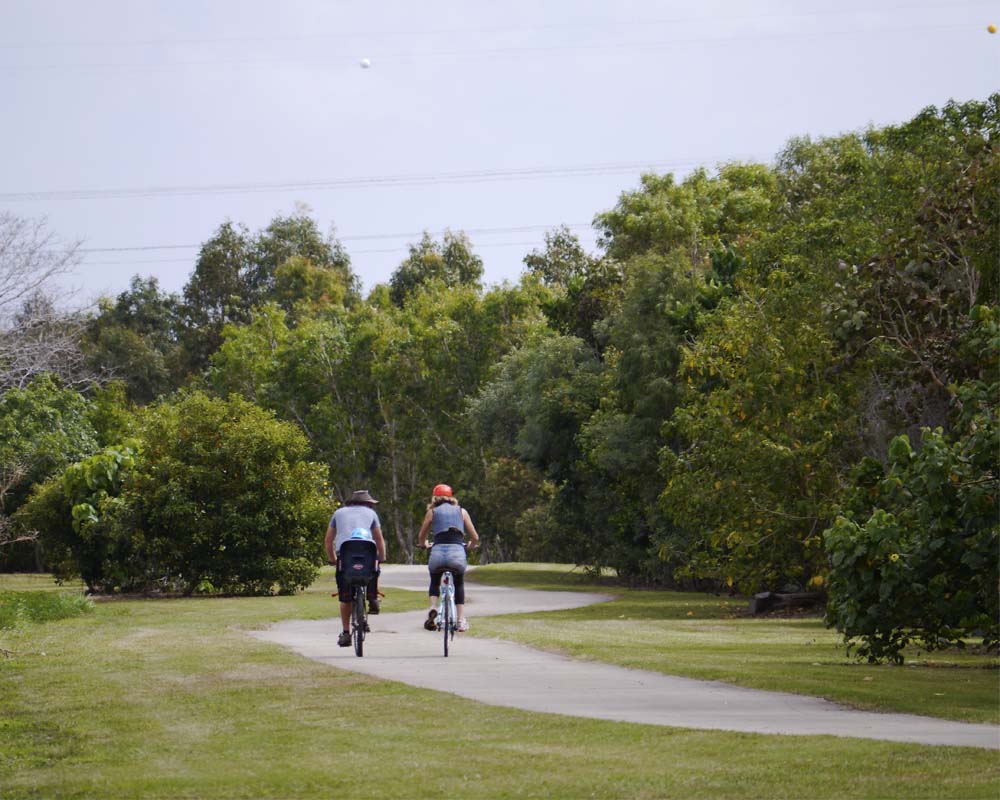
On an average winter weekend families cycle, kids and dogs in tow, shopping is transported, and fishing spots are crammed along the western segment of the Trail.

Crossing low-lying areas of the river plain.

Crossing low-lying areas of the river plain.

Heading for the Catherine Freeman walk, named in honour of the Mackay-born athlete, gold medal winner at the 2000 Sydney Olympics.

Heading for the Catherine Freeman walk, named in honour of the Mackay-born athlete, gold medal winner at the 2000 Sydney Olympics.

This part of the former Hospital Bridge was retained as a fishing platform when the new bridge was built.

This part of the former Hospital Bridge was retained as a fishing platform when the new bridge was built.

Midweek, the bluewater sparkles for tourists, mums and kids, more fishermen, and workers enjoying a quiet lunch beside the river on the Bluewater Quay precinct, through the city centre and beyond.

New inner-city fishing platform.

New inner-city fishing platform.

There are six distinct trail precincts: the Mackay Regional Botanic Gardens, Sandfly Creek Environmental walkway, Catherine Freeman walk, the free (and instantly popular) Bluewater swimming lagoon swimming, Bluewater Quay Public Open Space and Iluka Park.

The trail passes through the Botanic Gardens, at the edge of the lagoons.

The trail passes through the Botanic Gardens, at the edge of the lagoons.

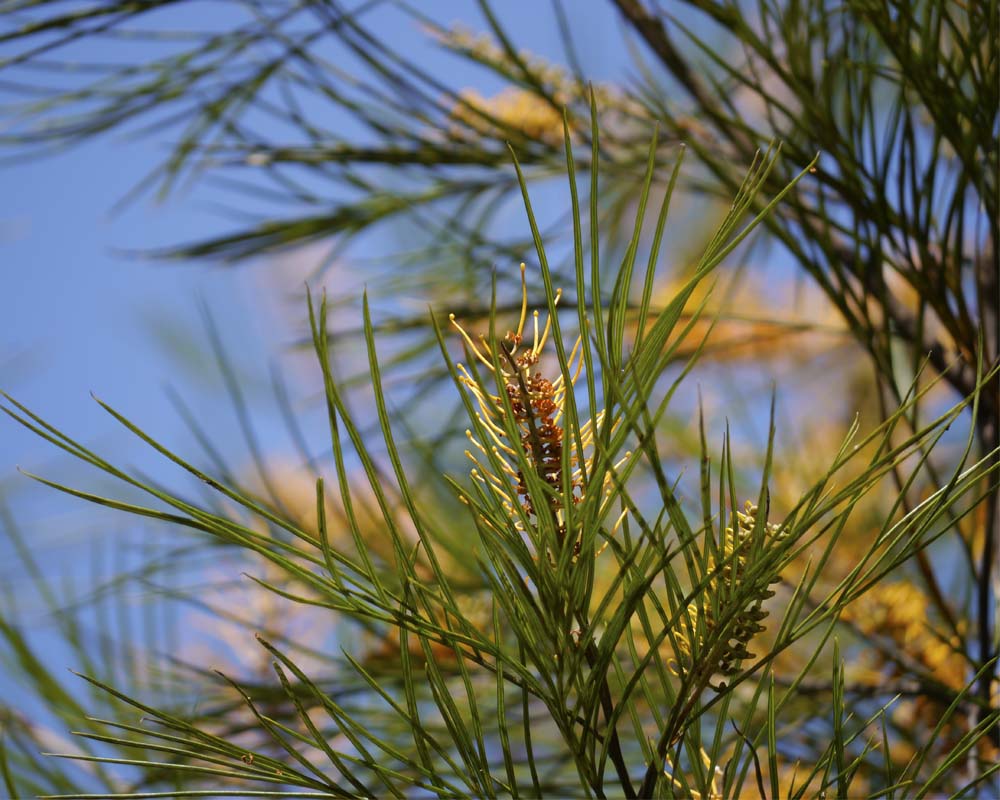
Winter grevilleas.

Winter grevilleas.

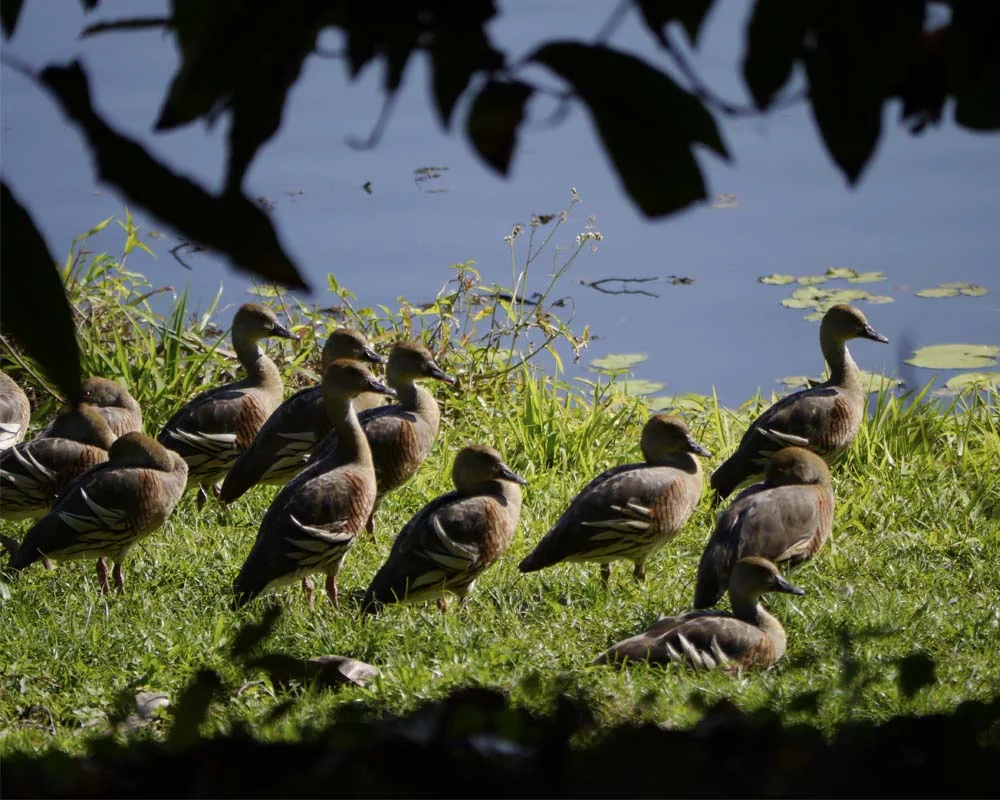
Only west-facing ducks need apply...

Only west-facing ducks need apply...

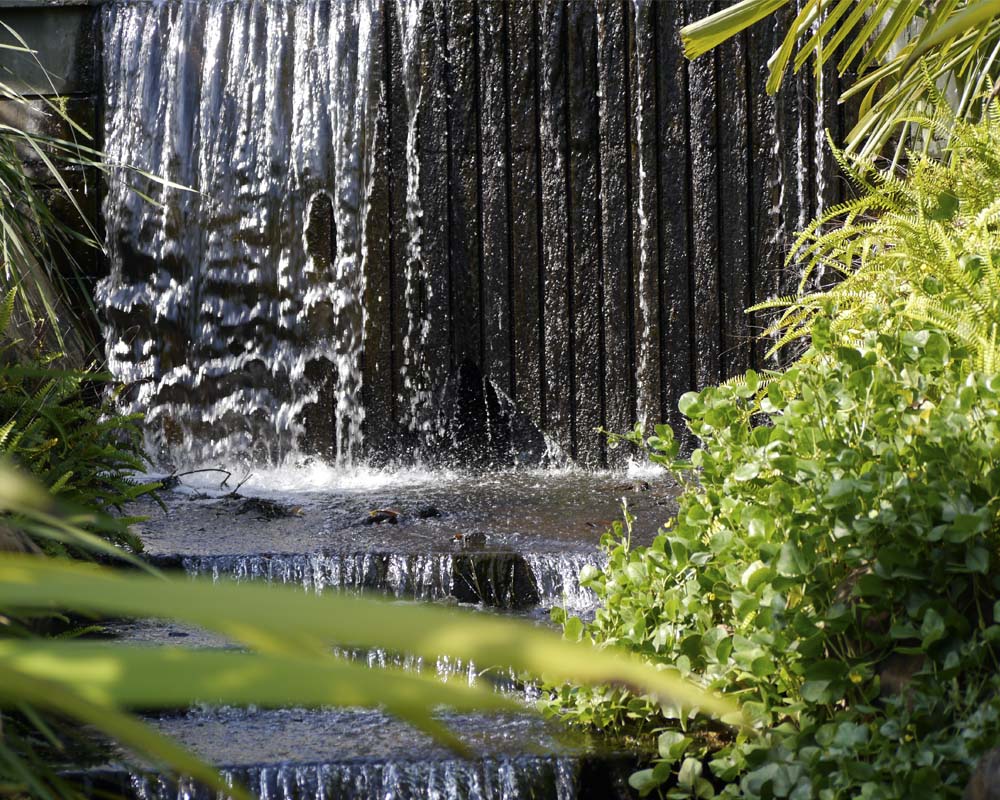
Cascade at the Botanic Gardens.

Cascade at the Botanic Gardens.

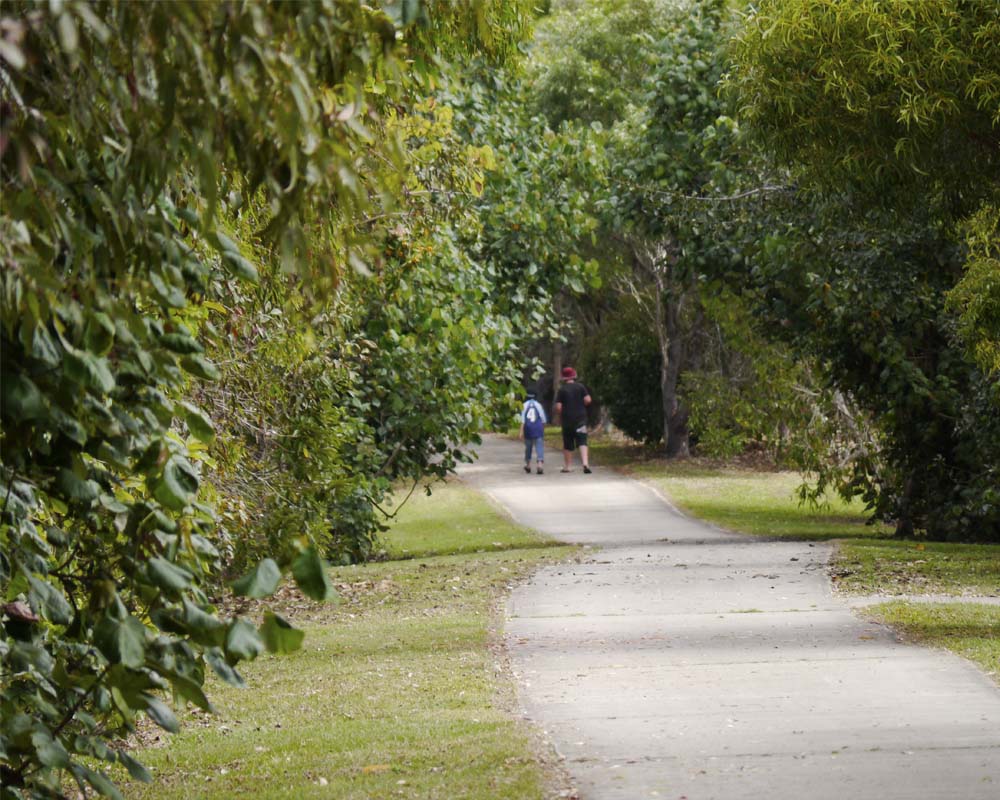
Each has its own defining character.  Some areas focus on lush vegetation with very simple sweeping pathways. 

Others boast impressive public art installations.

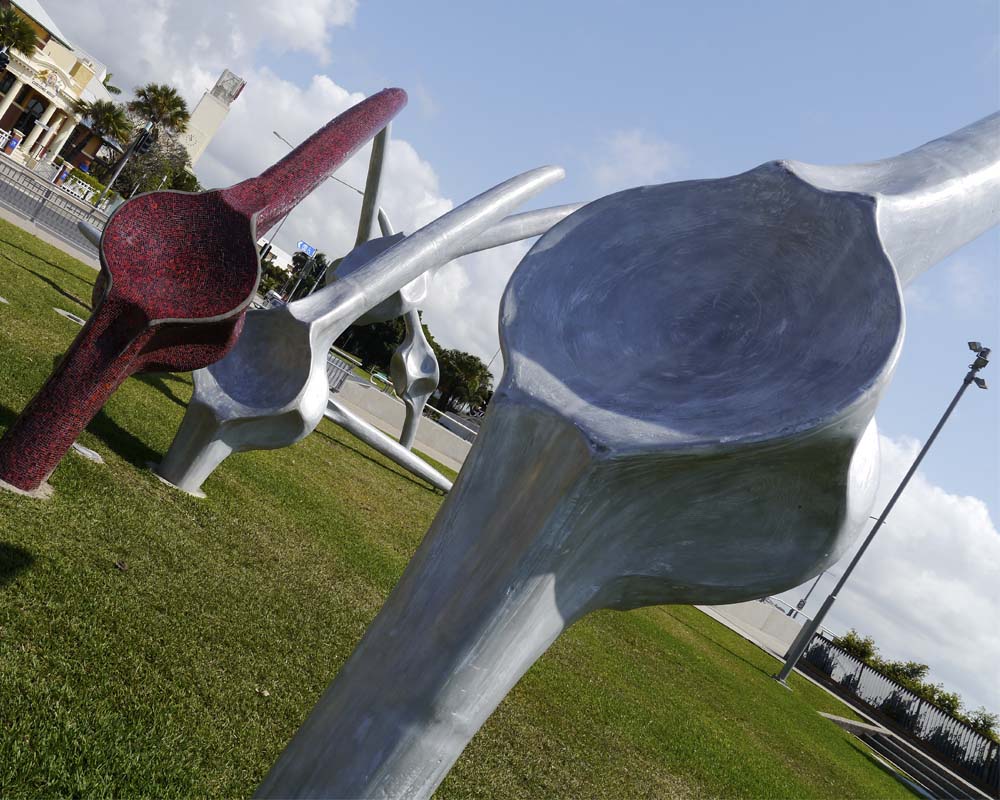
Fishbones, by Fiona Foley, marks the start of the wharf precinct.

Fishbones, by Fiona Foley, marks the start of the wharf precinct.

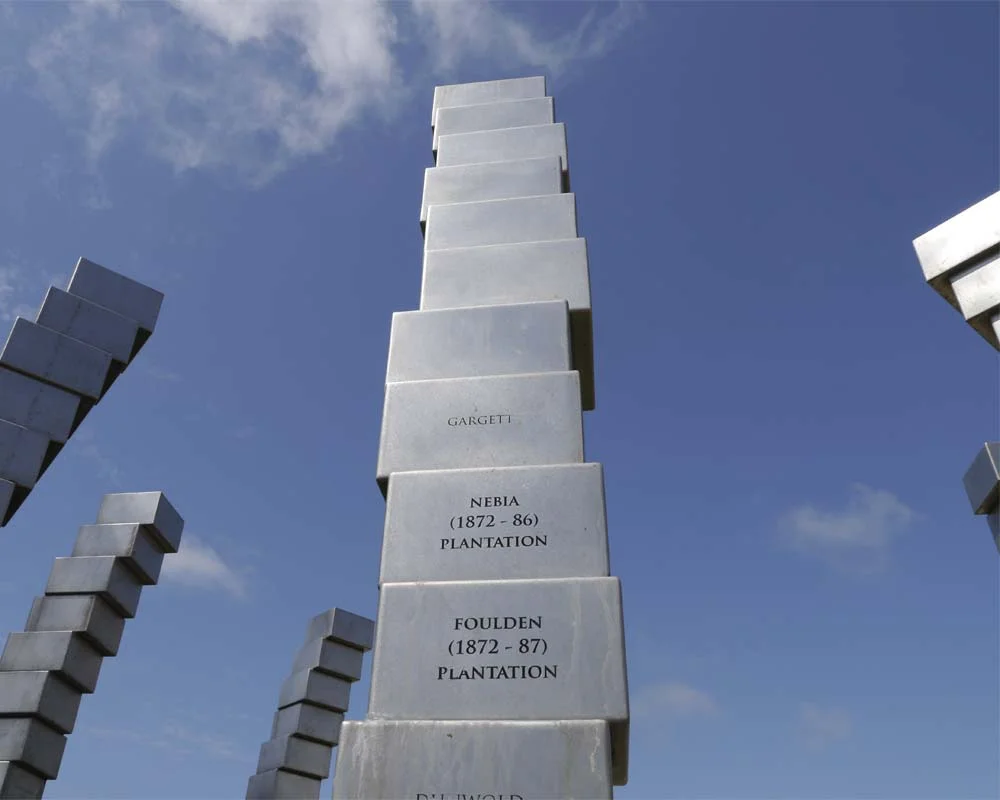
Sugar Cubes, by Fiona Foley, interprets the complex history of the district sugar industry.

Sugar Cubes, by Fiona Foley, interprets the complex history of the district sugar industry.

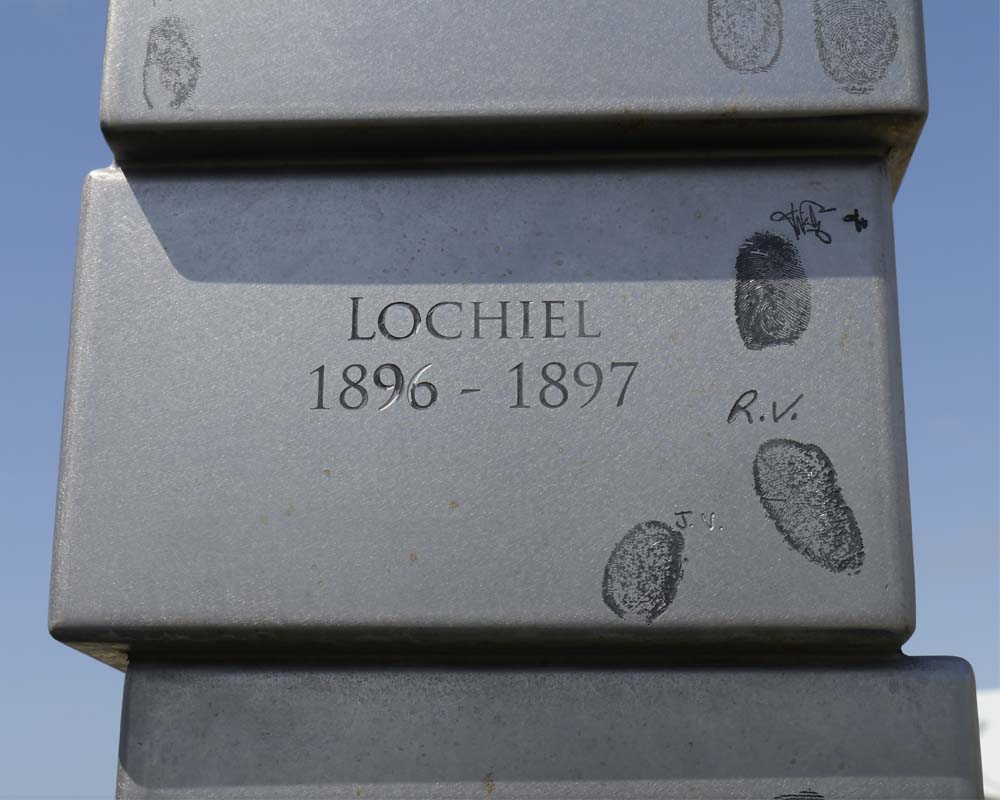
Thumbprints are from the descendents of South Sea Islanders brought to Australia to work in the cane fields. The names of transporting ships appear on each 'sugar cube'.

Thumbprints are from the descendents of South Sea Islanders brought to Australia to work in the cane fields. The names of transporting ships appear on each 'sugar cube'.

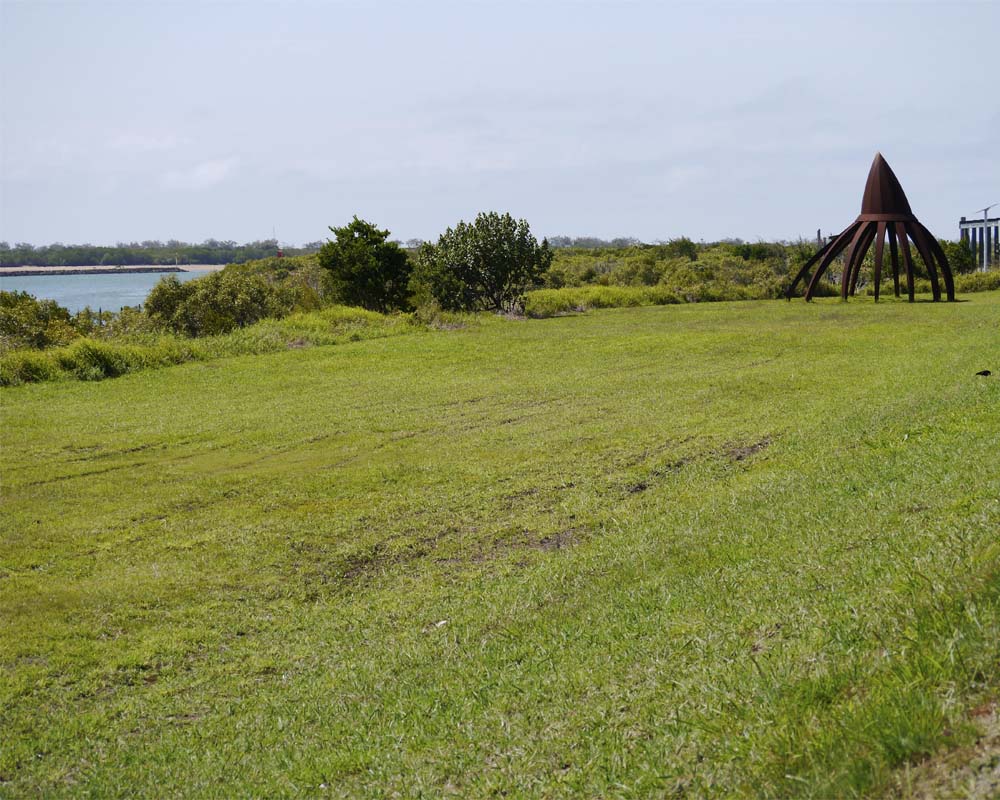
Fiona Foley's Mangrove Cap, at the end of the trail.

Fiona Foley's Mangrove Cap, at the end of the trail.

Mangrove Cap, by Fiona Foley

Mangrove Cap, by Fiona Foley

Check it out in winter, when the days are clear and fresh.  In summer, when you feel like flaying off your own skin to escape the unrelenting humidity, seek out a shady spot, catch the afternoon breeze, and head home after for a treat of tinned peaches and ice cream.  Yum yum. Dame Nellie would be jealous.

Now it’s over to you.

What did you think of the Bluewater Trail? Is there an aspect of the park you’d most like to check out in person? Leave a comment below letting me know.

If you know someone who’d enjoy reading this article be sure to share it, and check back in a fortnight, when we'll be visiting a park with great lessons for home gardens and landscapes.

(pssst: Bluewater Trail is featured in my book. Check it out for more schweet Linkage Parks).