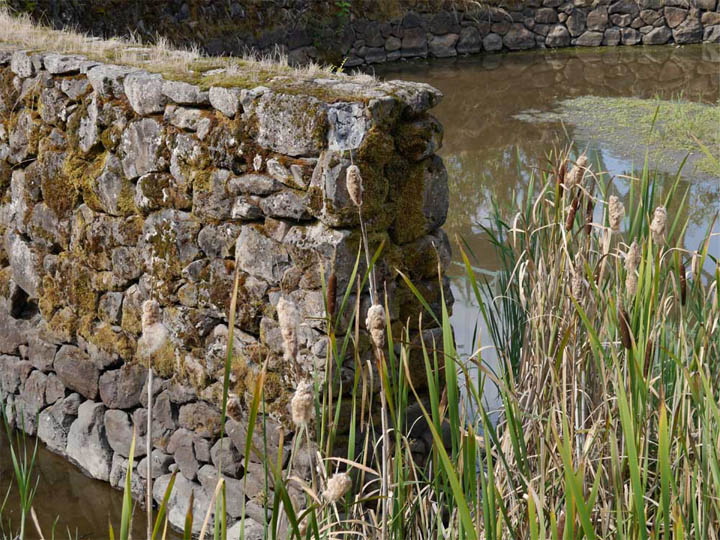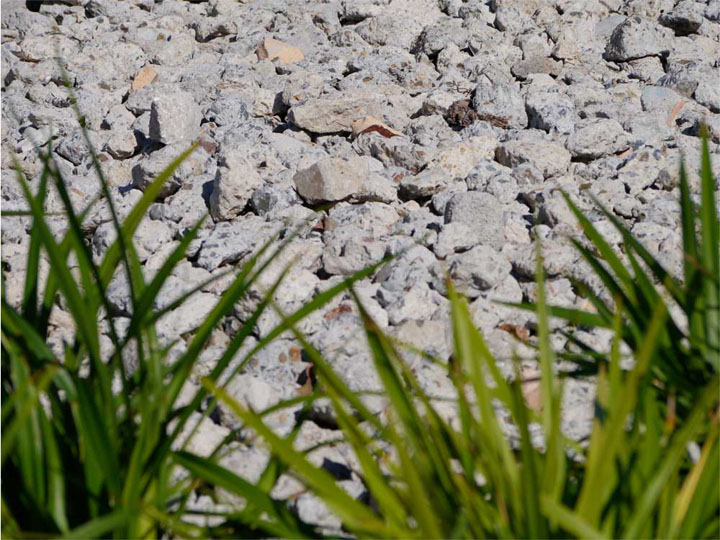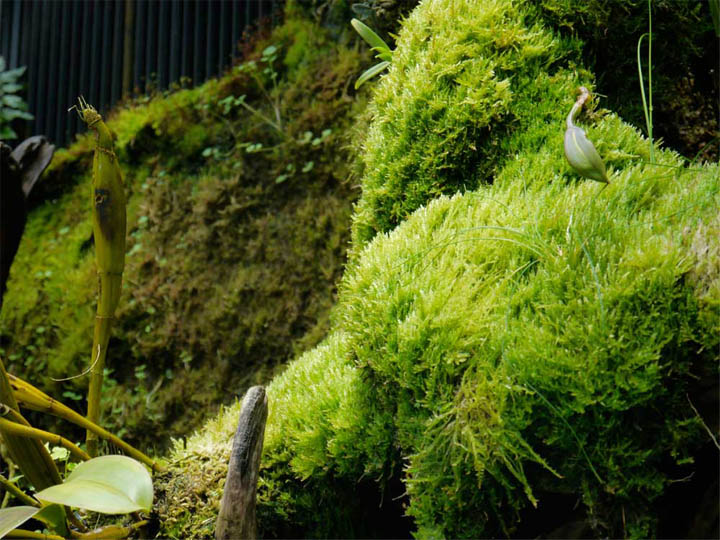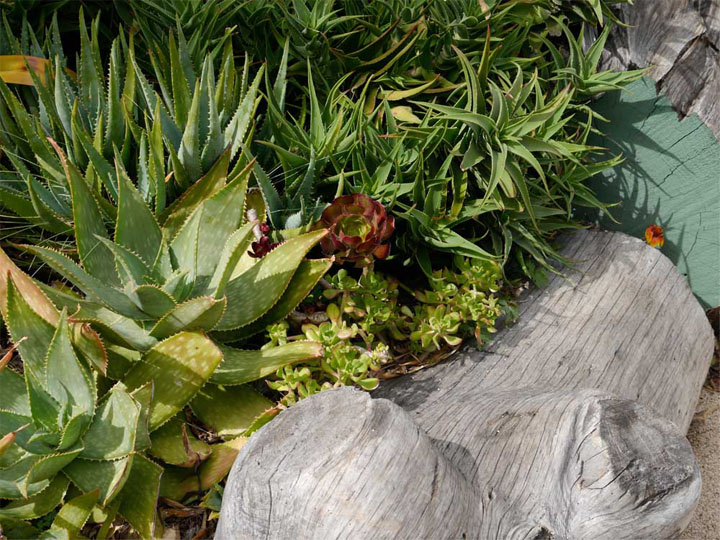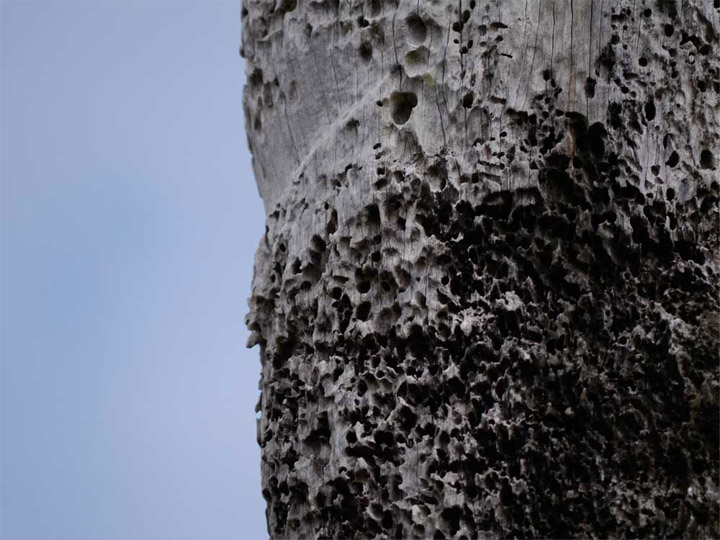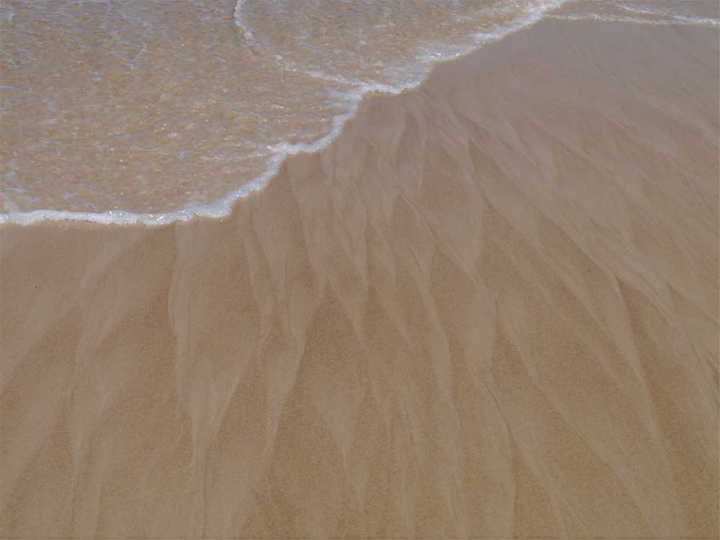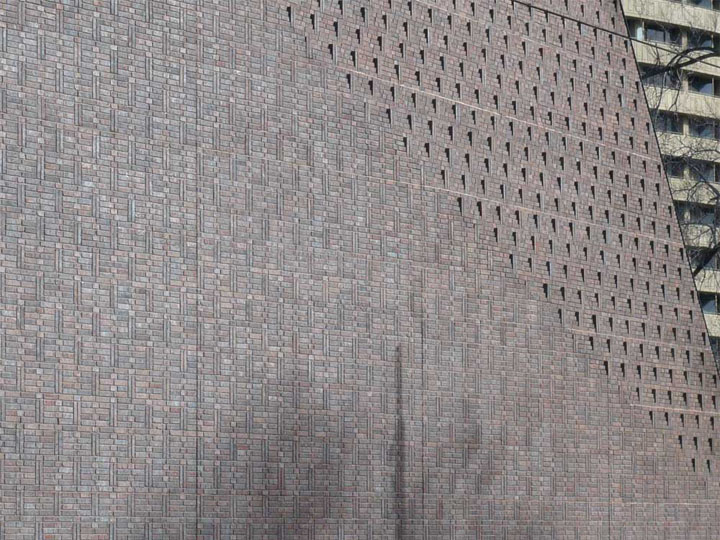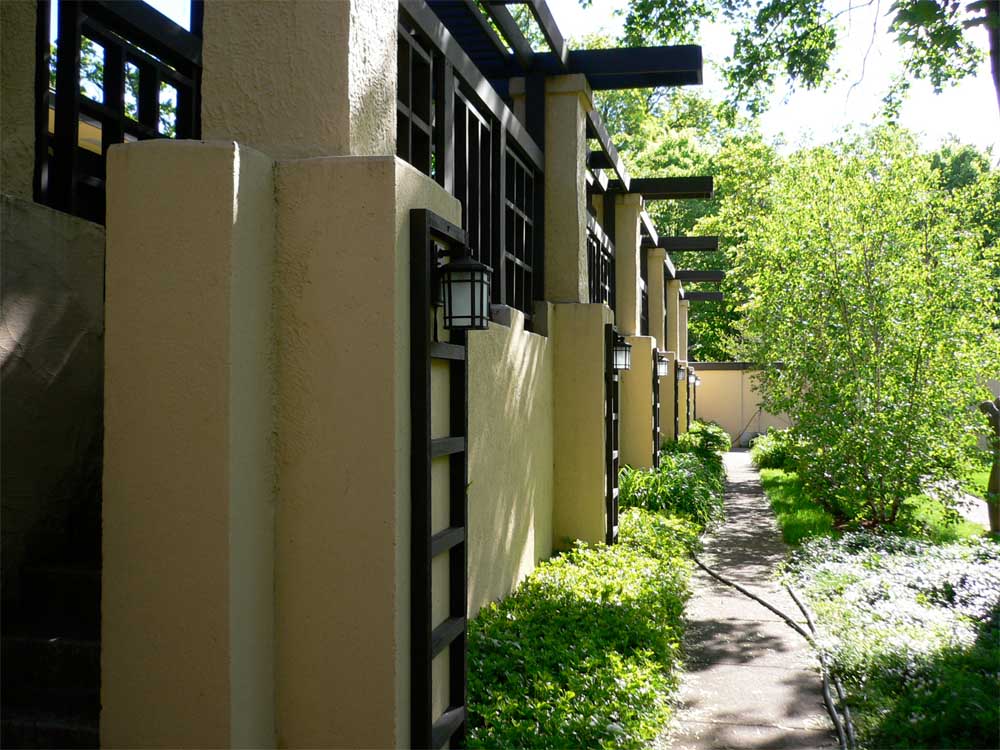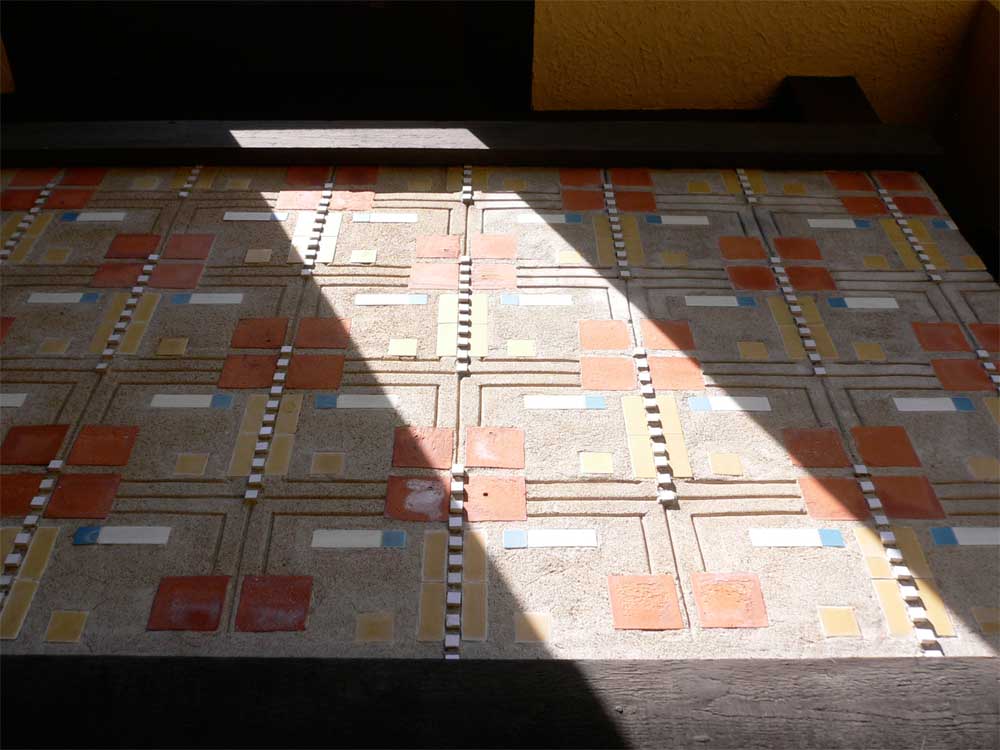
A Celebration of Texture: Sometimes the Bumpy Bits are the Most Interesting

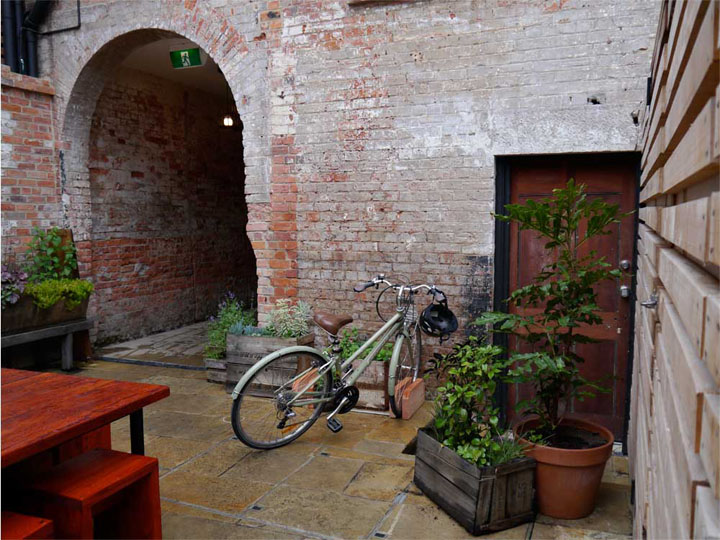
Have you ever noticed the way reviewers will sometimes describe a book, or a film, or a character's life as being "richly textured".

This often seems to be shorthand for "they're up their ears in so much half-baked, chicken-with-its-head-cut-off, crazy-ass craziness, they don't know if they're coming or going".

As someone who has known a moment or two of richly textured life in my time, I thought it high time we trained our laser-like focus on the beauty and delight of the textures that surround us.

When so much of our lives is about streamlining and smoothing out the bumps, it's good to remember that the bumpy bits are often the most interesting.

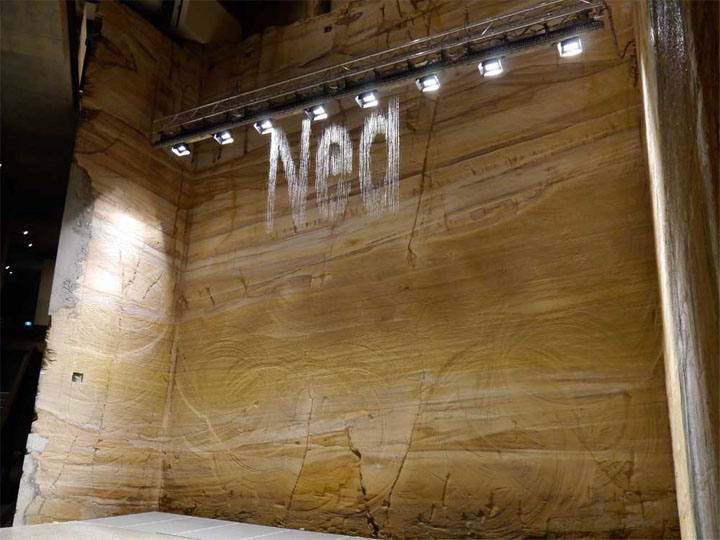
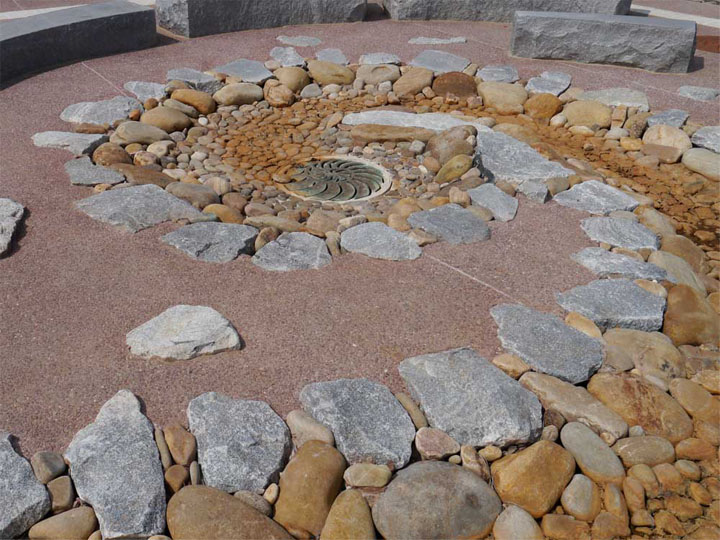
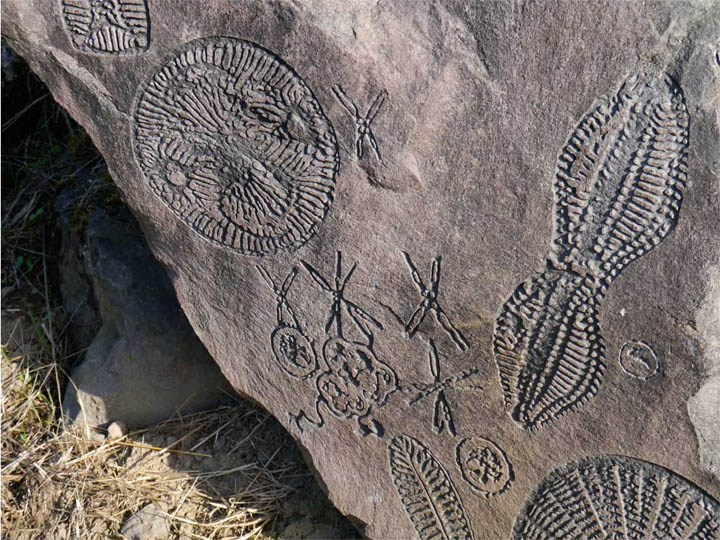
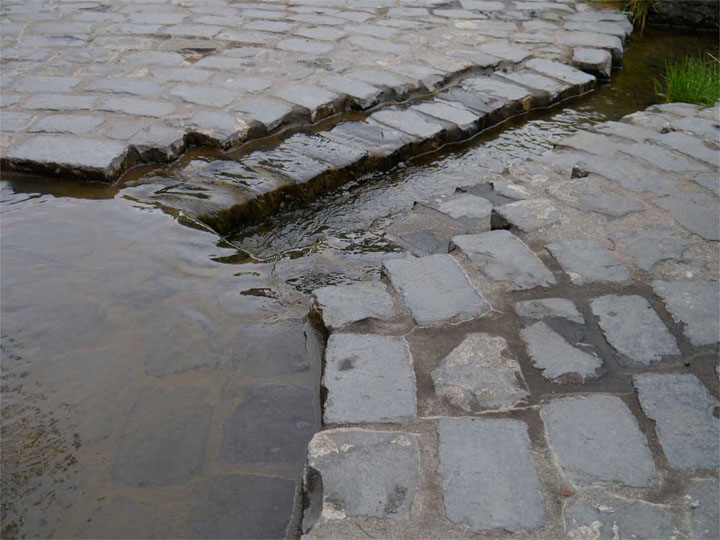
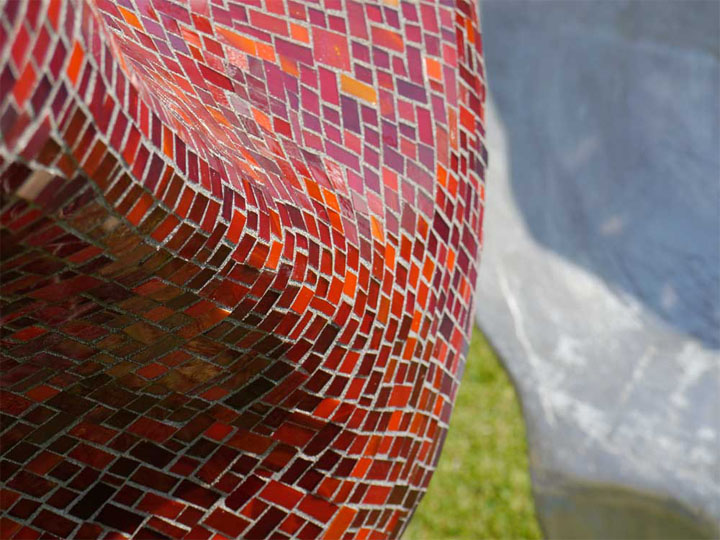
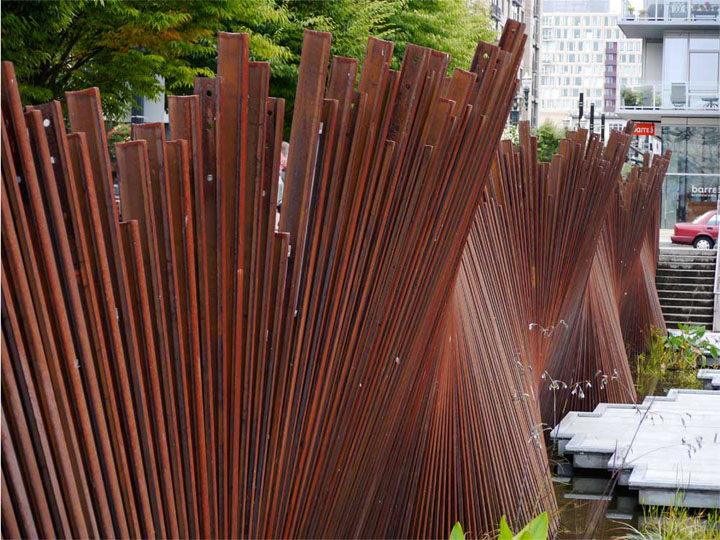
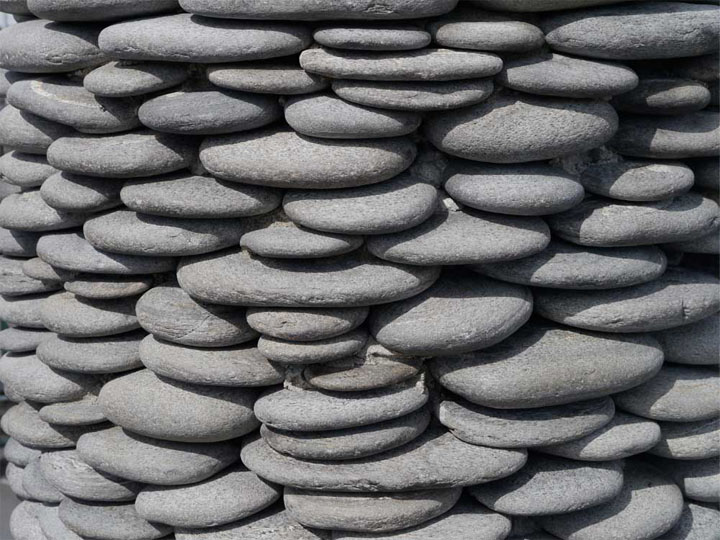
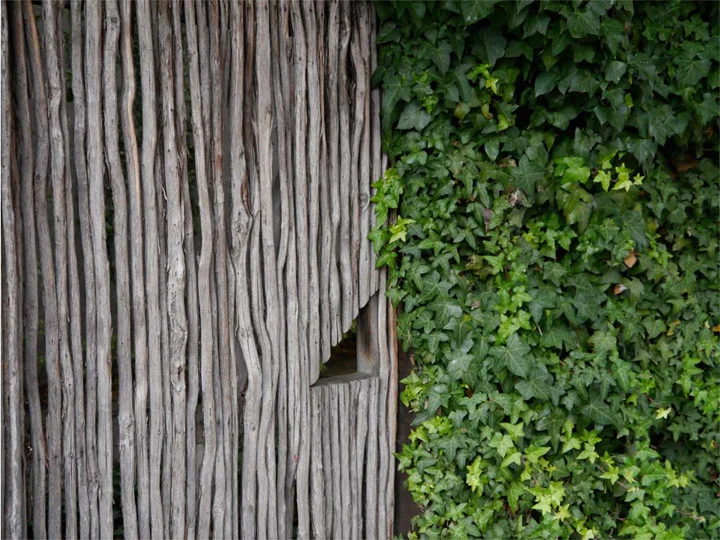
The texture of things catches the light and the rain. Textures can invite or repel. Textures can be experienced with our eyes, our hands, our feet...and whatever else you're up for. The texture of things is critical to how we experience the spaces around us.

So that's it. Please enjoy this small collection of wonderfully textured paths, pavements, walls, artworks and plants. 
What did you think? Any favourites? Maybe there was a texture you hadn't considered before. I'd love to hear, so please let me know in the comments below.

And of course if you know someone else who'd enjoy this little dose of inspiration, feel free to share it.

Thanks for reading, and come back soon for more from the wonderful world of inspirational landscapes.
Frank Lloyd Wright's Coonley House: Good Things Happen when Architecture, Landscape and Art Get Along

Here in Brisbane there’s no denying that spring is well and truly upon us. The sky is almost unfeasibly blue, creating the kind of days that make me think 'Meh, you can keep New York, coz it ain't got this'. The sun is still invitingly warm, rather than blistering, and there is a general air of, well, perkiness about the place.

There’s an urge at home to throw open the windows and let in the fresh air, or to get out and do things in the garden.

To give you that little extra push in the right direction, and really get your design juices flowing, today we’re got a super-charged dose of architecture, garden design and integrated art.

So without any further ado, welcome to the Avery Coonley House, by two absolute design heavyweights: the building by Frank Lloyd Wright, and the garden by Jens Jensen.

The house dates from 1908, when it was built on a 4-hectare site in Riverside, outside Chicago.

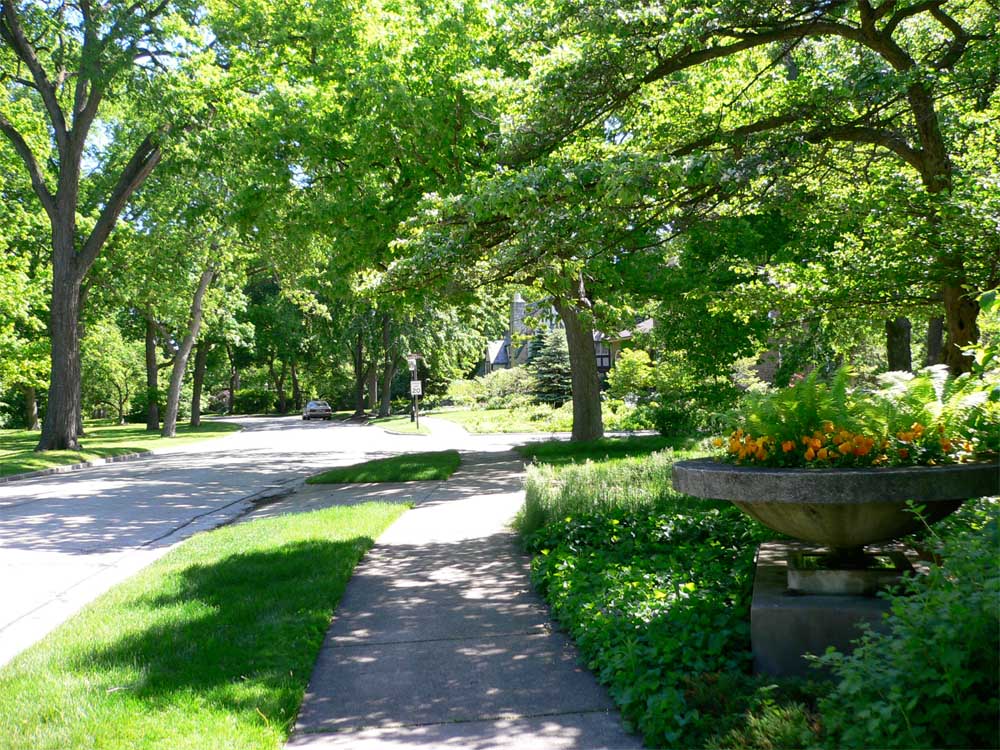
Coonley Road (naturally) in lush, swirling Riverside. The signature flower-filled urn marks the entry to the house.

Coonley Road (naturally) in lush, swirling Riverside. The signature flower-filled urn marks the entry to the house.

The estate contained an e-nor-mous main house, an equally impressive bedroom wing, a separate gardener’s cottage and a coach house and stables building. All were designed in Wright’s signature Prairie style, with long, low buildings hunkered down under horizontal roofs, walls reaching out to enclose courtyards and garden spaces, and beautiful details and moments of delight throughout. 

Sadly the Coonley House fell on hard times, and in the 1950s was bought by a developer whose plans for demolition were thwarted in the nick of time.

Following this the property was divided into four separate residences. One was in the coach house:

Approaching the coach house.

Approaching the coach house.

Its recreated Jens Jensen garden.

Its recreated Jens Jensen garden.

The house sits back from the street, behind richly inviting plantings.

The house sits back from the street, behind richly inviting plantings.

The second house occupied the gardener's cottage; the third, the main house/living wing: 

And the fourth one was in the bedroom wing, which was separated from the main house.

Fast-forward another half a century to 2001, when the main house had the extreme good fortune to be bought by Dean and Ella Mae Eastman. Following a stellar career in physics, largely spent at IBM, and then academia, Dean Eastman threw himself (and a not insignificant amount of his hard-earned cash) into a painstaking restoration of the Coonley House.

Another enveloping garden shields the house, hiding it in plain view.

Another enveloping garden shields the house, hiding it in plain view.

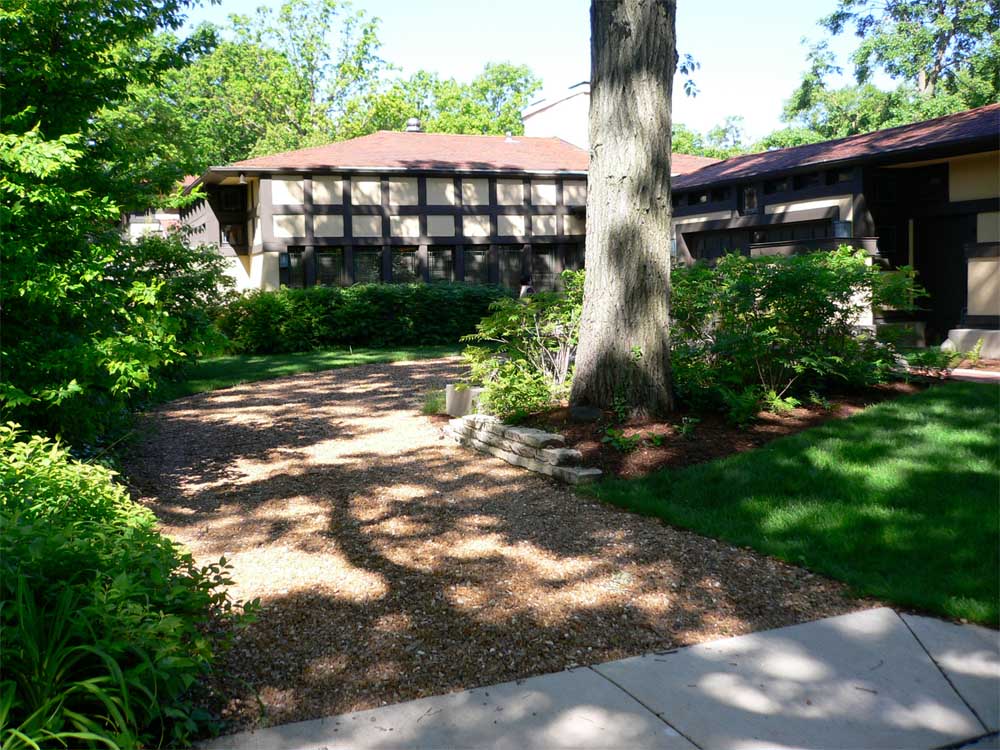
On the long walk from the street, the house barely hints at its many delights.

On the long walk from the street, the house barely hints at its many delights.

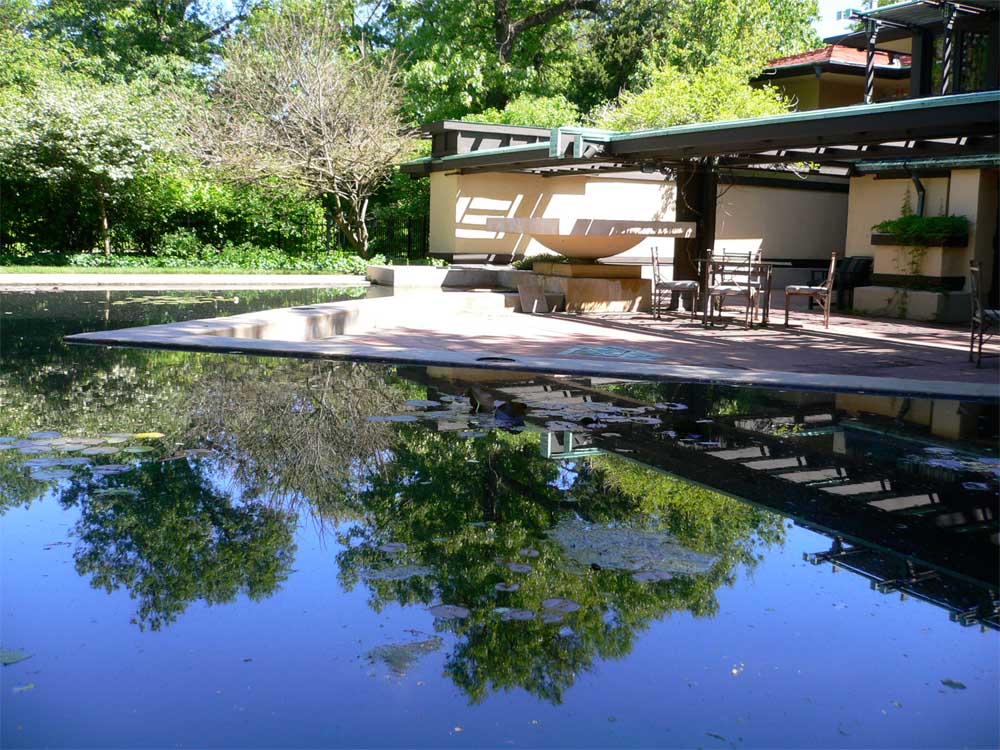
The lily pond was restored, having been converted into a swimming pool.

The lily pond was restored, having been converted into a swimming pool.

I had the pleasure of visiting the Coonley House a few years ago, and I have to admit it was one of those experiences that you can’t fully take in at the time. We were asked not to photograph inside the house, but if you want to nosy inside, enjoying the restored murals, windows and much more, then check out this short real estate video made at the time the Eastmans were selling up. (They moved right next door, into the coach house!)

Health Warning: if you suffer easily from house envy or architecture envy, it might be best to avoid. I can't watch it without wanting to move in straight away!

But even without peeking inside, I reckon there’s more than enough in the exterior and gardens of the Coonley House to keep you intrigued, delighted and inspired. Enjoy!

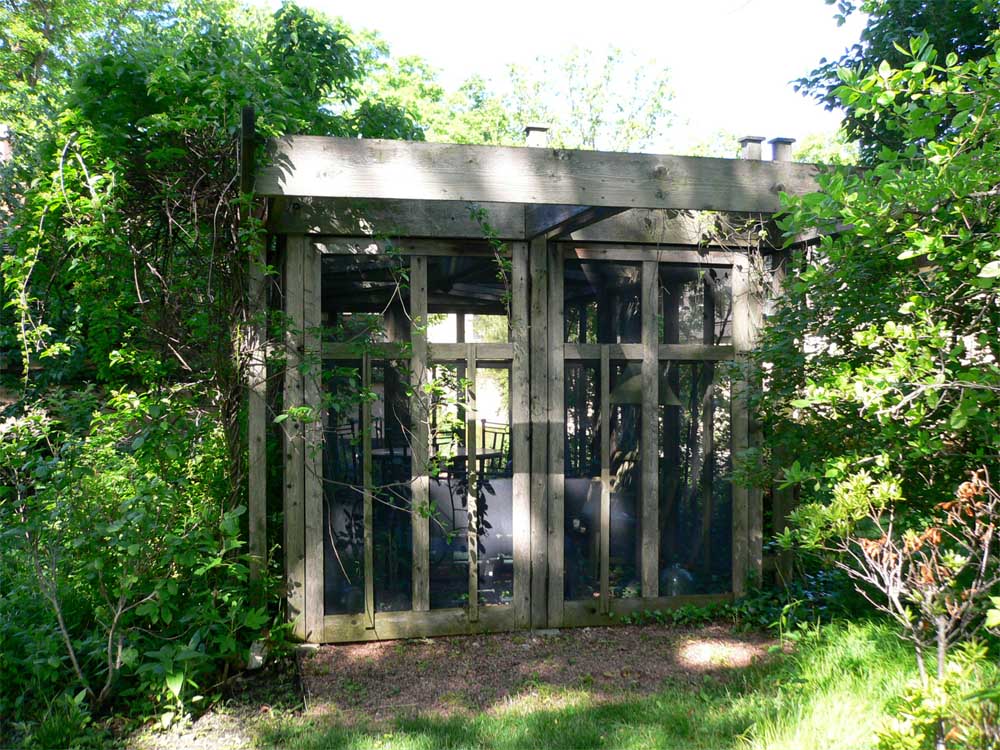
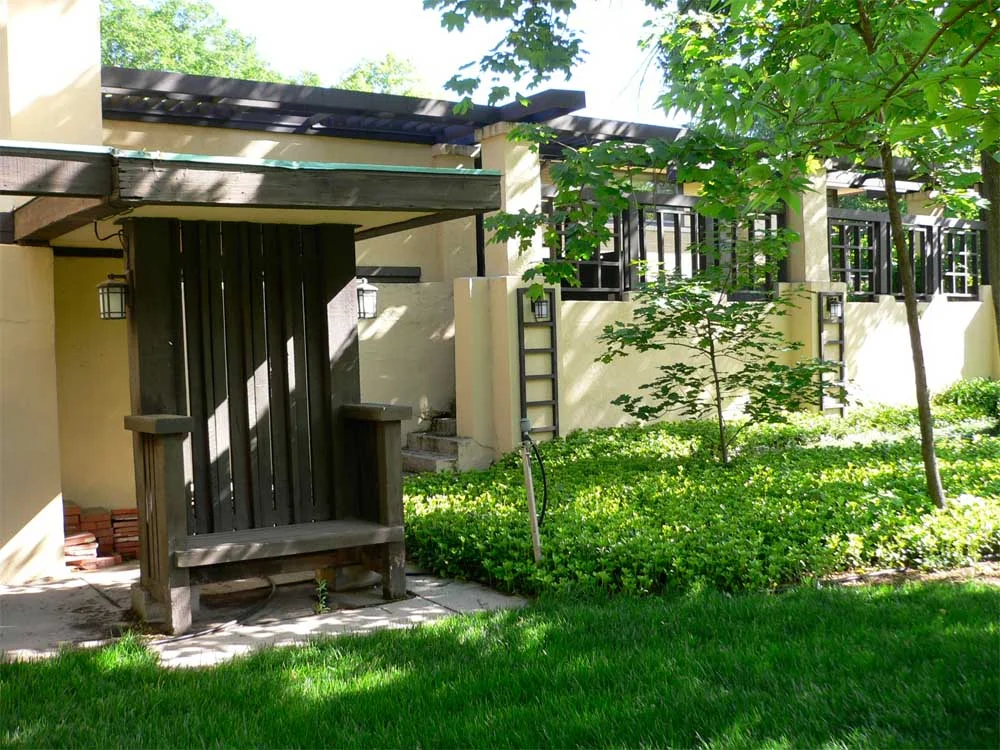
How lovely is this garden seat, integrated into the screen and roof structure.

How lovely is this garden seat, integrated into the screen and roof structure.

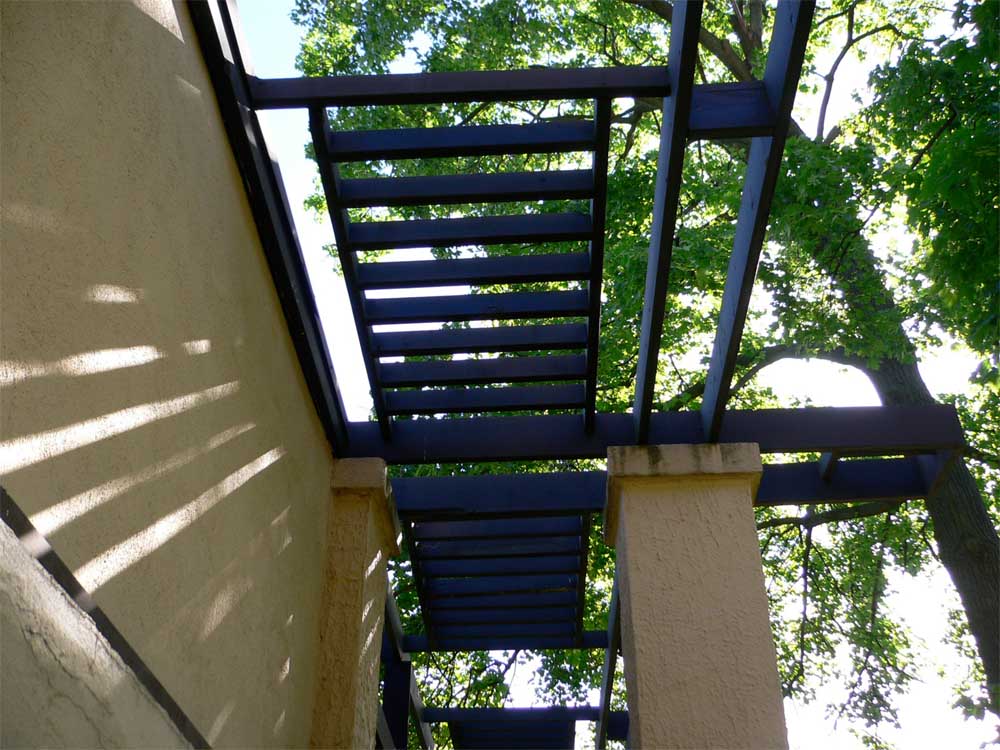
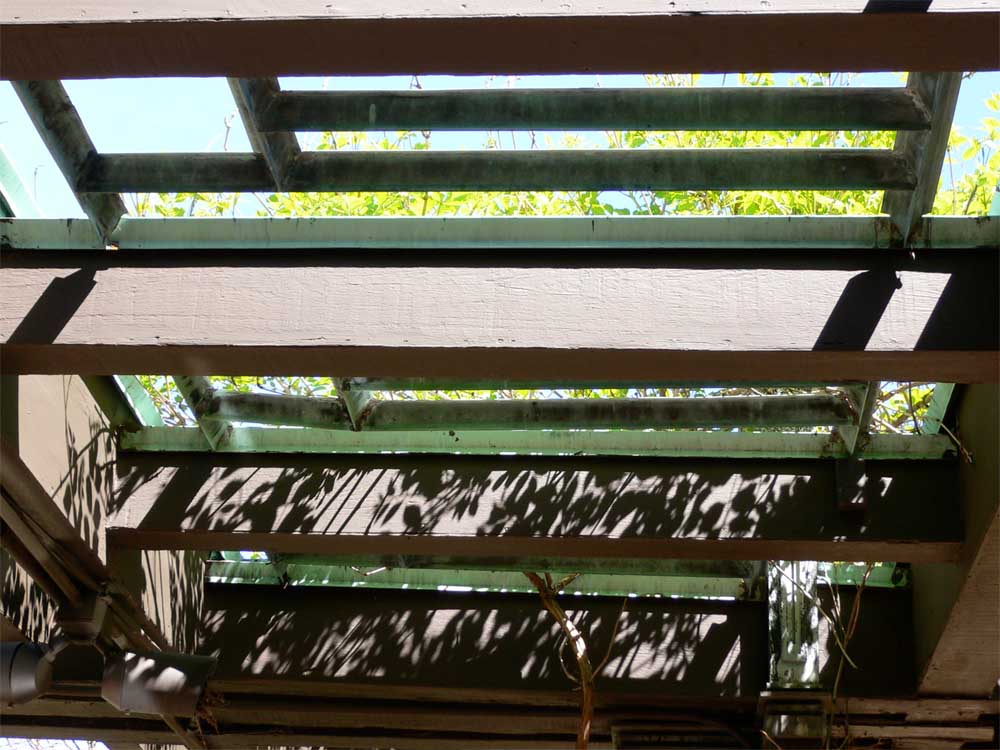
Light play through the overhead trellises.

Light play through the overhead trellises.

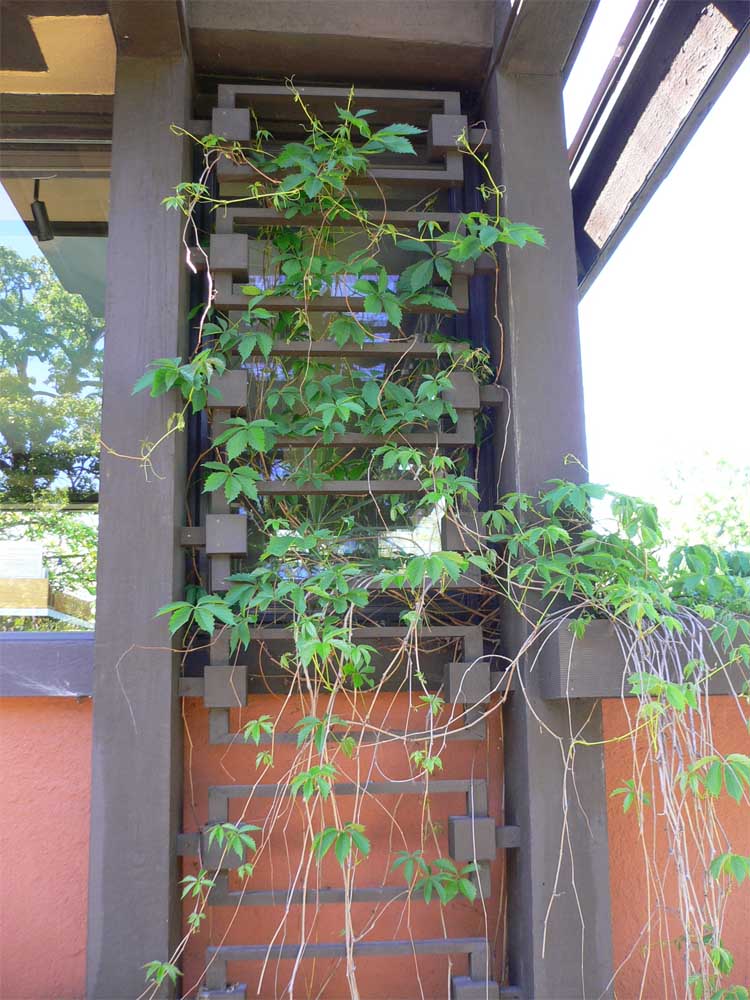
Frames support climbing plants.

Frames support climbing plants.

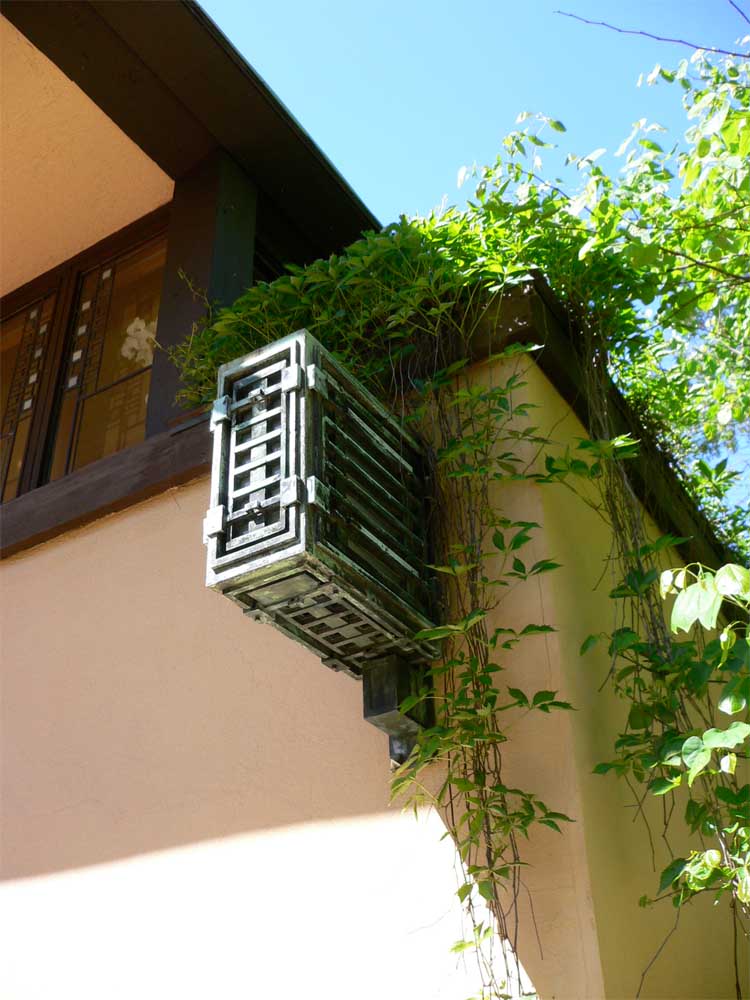
Cast light sconce? Yes, please.

Cast light sconce? Yes, please.

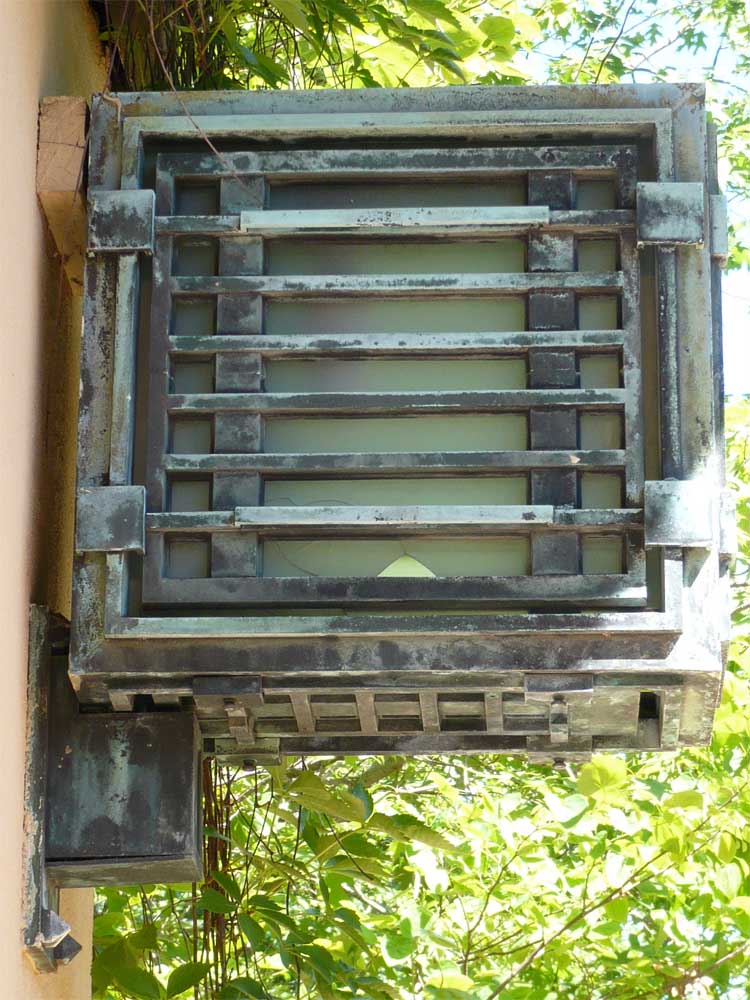
And it's even better up close.

And it's even better up close.

The terrace at the main house overlooks the lily pond.

The terrace at the main house overlooks the lily pond.

Exquisitely detailed trellis structure above the main living level.

Exquisitely detailed trellis structure above the main living level.

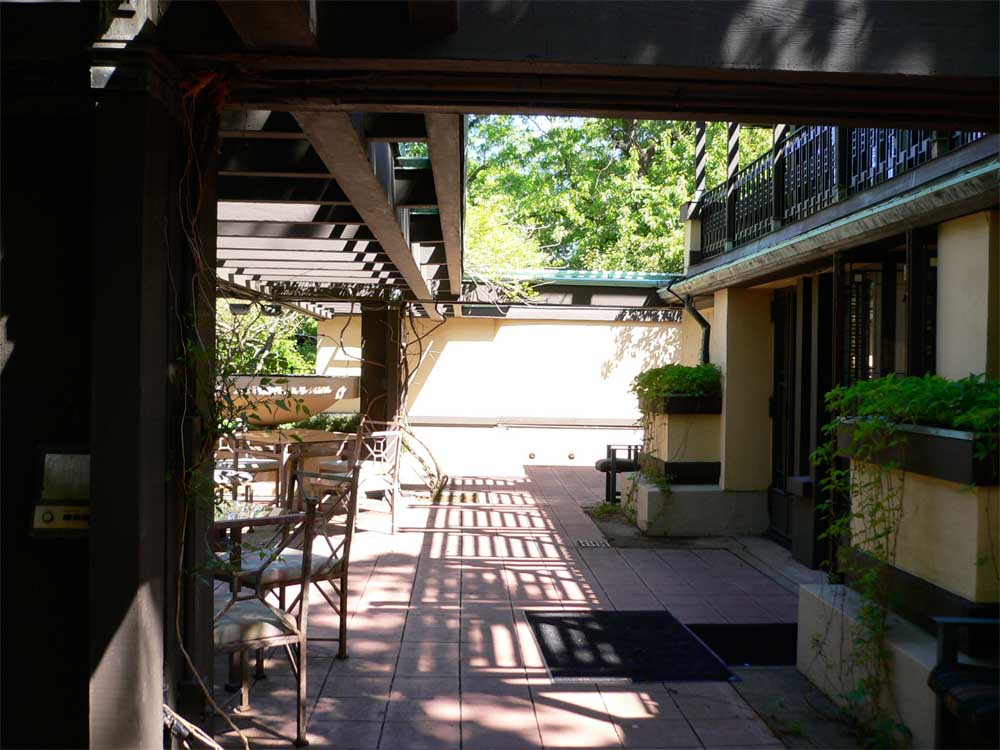
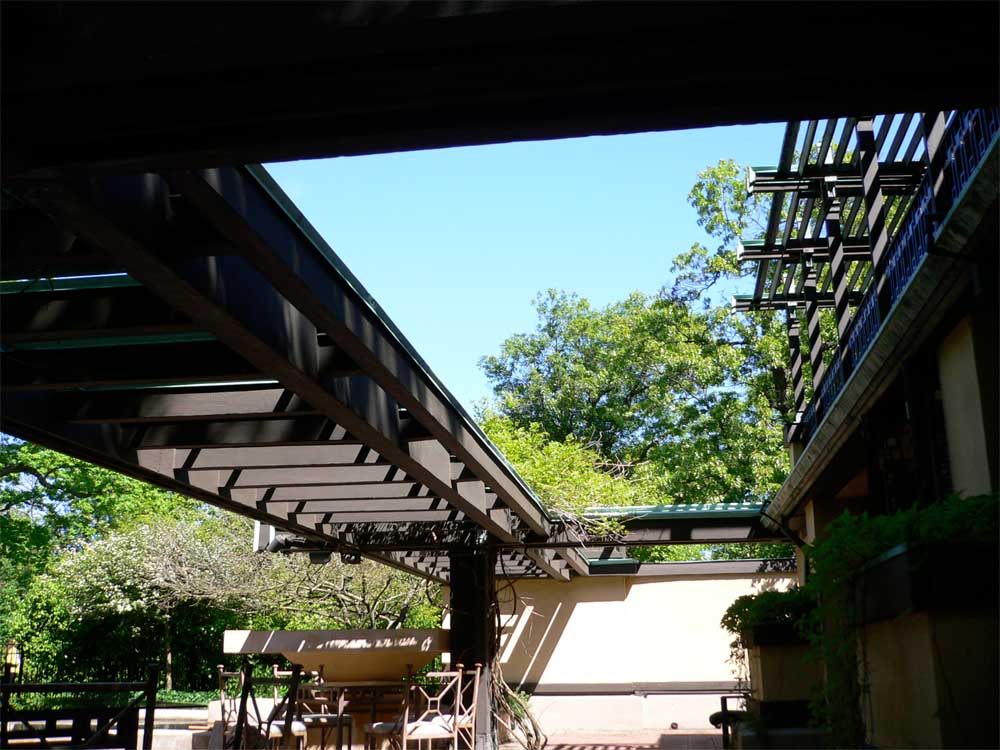
The low, shady terrace trellis opens up to the landscape beyond.

The low, shady terrace trellis opens up to the landscape beyond.

The upper trellis sits above the terrace outside the main living room. One of Wright's innovations in this house was to raise the living areas above the ground level, exploiting the views out to the wider landscape.

The upper trellis sits above the terrace outside the main living room. One of Wright's innovations in this house was to raise the living areas above the ground level, exploiting the views out to the wider landscape.

Shadows!

Shadows!

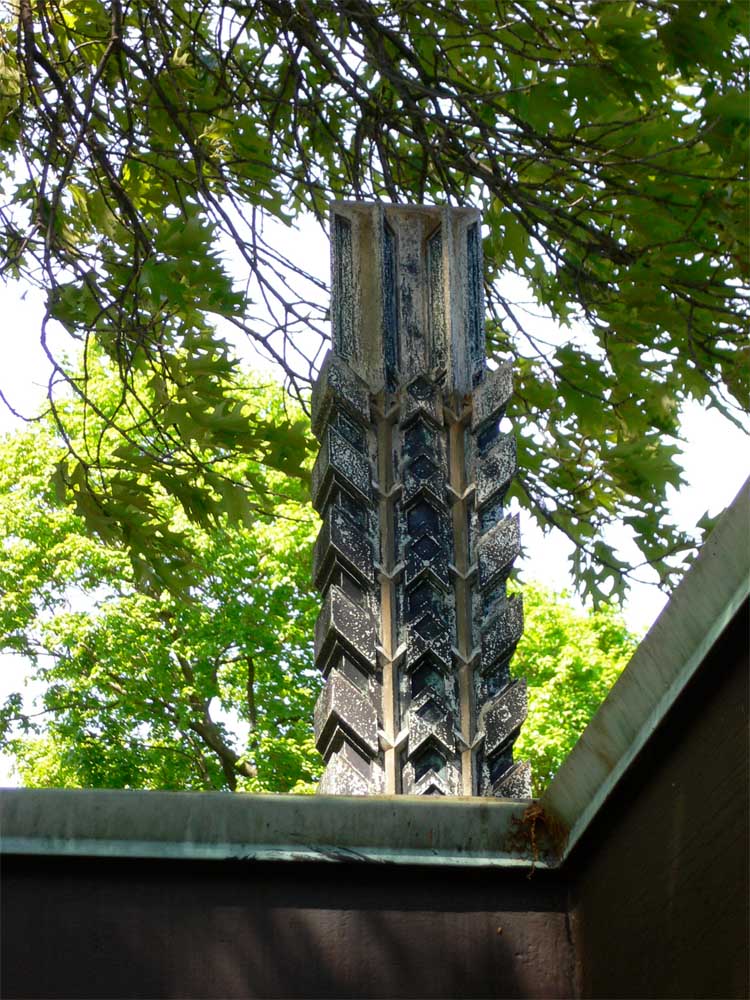
They don't make 'em like this anymore: finials above the main house.

They don't make 'em like this anymore: finials above the main house.

The wonderful textured mural at the entry to the house.

The wonderful textured mural at the entry to the house.

...and up close. It is no understatement to say I love this!

...and up close. It is no understatement to say I love this!

So there you have it: a pocket tour of the wonderful Coonley House. What did you think?

If you enjoyed this story, please feel free to share it with a friend.

Enjoy dipping your toe into spring, and catch you soon for another inspirational landscape.

Visit Landscapology at Brisbane Open House

This week I happily attended the launch of Brisbane Open House 2013.

It's inspiring to see how the event has grown in only four years, now covering a full weekend, with 71 buildings open to the public free of charge.

What's even more exciting is that Landscapology is also throwing open its doors!

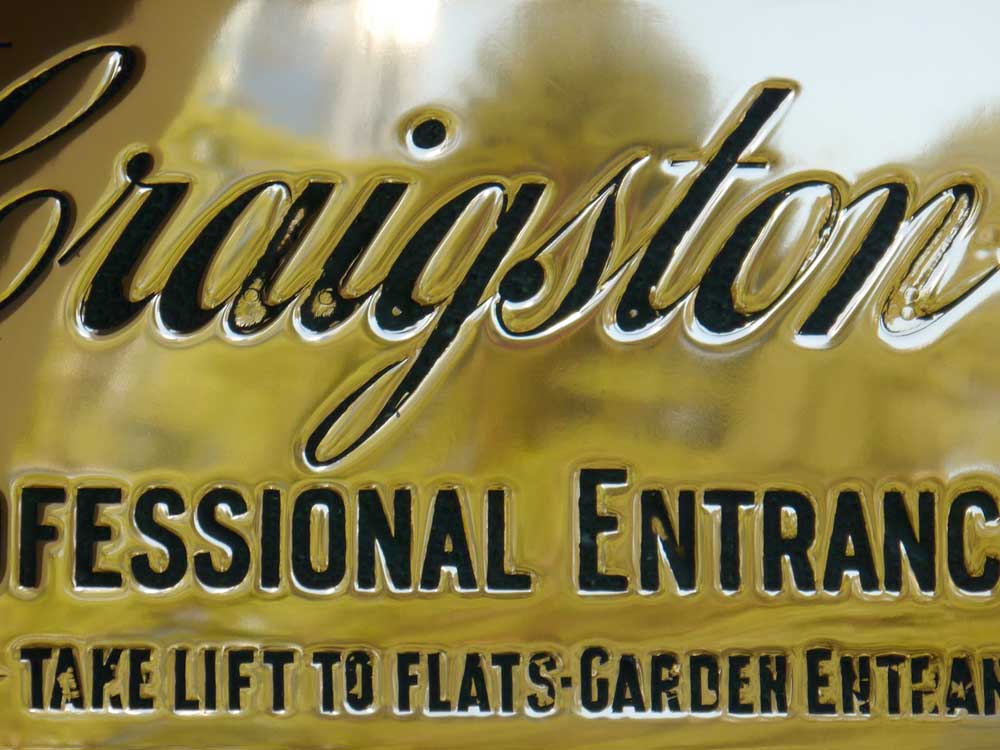
Landscapology HQ is tucked into a tiny corner at the bottom of Craigston, in Spring Hill.

Welcome.

Welcome.

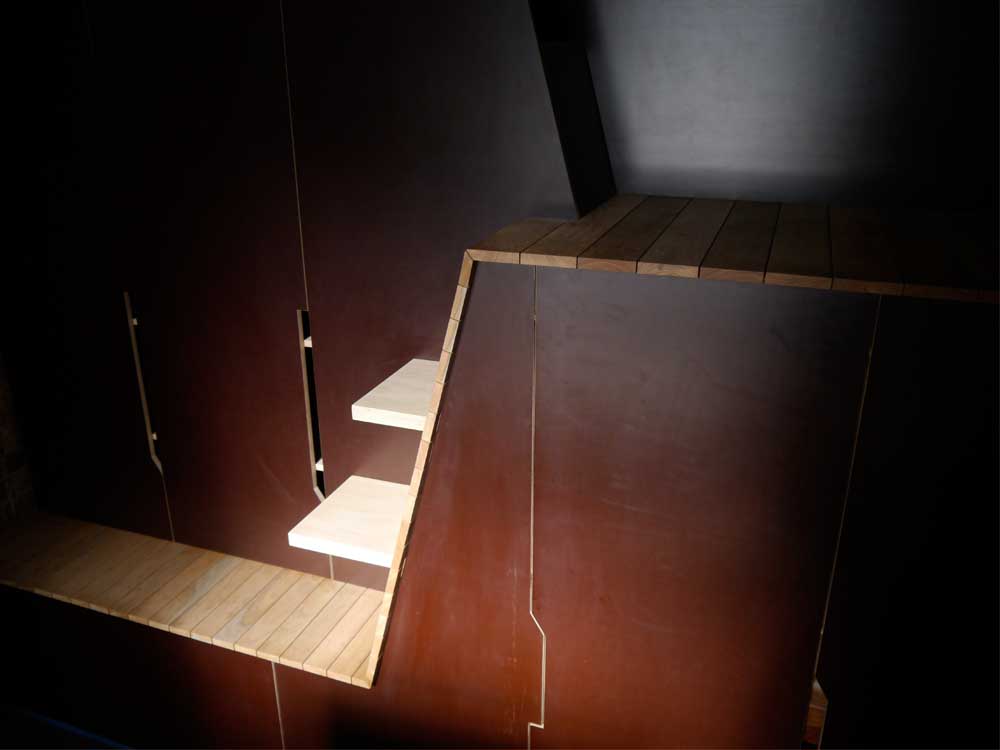
The studio design has been a rewarding collaboration between myself and Richard Buchanan,  a crazy-good designer, and (lucky me), my partner. We (well...our great builders, Rob and Chris Hogerheyde of RAM Constructions, actually) have been hard at work transforming this former caretaker's dungeon and then solicitor's office into a cabinet of curiosities, and place for reading, thinking and creating. Here's a sneak peek, just before the books and papers and pens move in...

Shifting planes.

Shifting planes.

Getting ready to introduce the collection to its new home.

Getting ready to introduce the collection to its new home.

A warm and cavelike space at the bottom of the building.

A warm and cavelike space at the bottom of the building.

It's been a fun journey, and now we'd love to share our efforts with you.

Jump on the Brisbane Open House website (updated this year, and looking great) to add your name to the ballot.

Read on for some more information about lovely Craigston, courtesy of the BOH program book:

"A Wickham Terrace landmark since its construction in 1927, Craigston was the city’s first high rise residential building, a symbol of progress in a time of rapid growth and improvement in Brisbane’s CBD.

It was the brainchild of Dr Sydney Fancourt McDonald (the first paediatrician within the UQ Faculty of Medicine), who introduced  to Brisbane the concept of a co-operatively owned, multifunction office and residential block, comprising professional chambers on the ground floor and apartments above. It was built by a group of doctors, who had their consulting rooms on the ground floor, and private residences above.

The building was controlled by a company, Craigston Ltd, of which McDonald was the first chairman. Each owner purchased shares in the company entitling them to ownership of their apartment.

Architect Arnold Conrad of prominent Brisbane firm Atkinson & Conrad designed Craigston in 1926 as the first reinforced concrete framed multi-storeyed building in Brisbane. It was erected in 1927 by builder and engineer Walter Taylor, under the supervision of architect T B F Gargett."

Craigston, the loveliest lady on the Terrace.

Craigston, the loveliest lady on the Terrace.

"The completed building was eight storeys high with a basement car park and rooftop garden accessible by all tenants. The exterior was designed in a popular contemporary style known as Spanish Mission, with rendered walls, ornamental gables, arches, cordova tiled roof and a corner tower. Floors contained a single large apartment each (except for floor 6 which was divided in two), and featured silky oak paneling and generous sized rooms.

When completed, Craigston was a landmark building with stunning views. Over time most of the floors have been subdivided into smaller apartments and all have undergone renovations. The former balconies were enclosed with windows shortly after the building’s completion. Despite being surrounded by more recent high-rise buildings, Craigston still stands out as an attractive example of elegant 1920s style."

There'll be more updates on the studio in coming months, but if you're in Brisbane on the 12th of October be sure to check out Craigston and all the other delights on offer throughout Brisbane Open House.

ps: know an architecture or design-loving friend? Consider passing this info along to them too, if you think it would be of interest. Looking forward to seeing you at Open House.

Free at Last: Martin Luther King's Atlanta Resting Place

This week marks the 50th anniversary of I Have A Dream.

The epoch-defining speech was given by Dr Martin Luther King, Jr, on the 28th of August 1963. It came at the end of the ‘March on Washington’, a monumental civil rights demonstration attended by a quarter of a million people, and widely acknowledged as a tipping point in the US civil rights movement, being followed in 1964 by the passing of the Civil Rights Act, and in 1965 by the Voting Rights Act.

Tragically, only five years later the dream was over. King, the youngest person to receive the Nobel Peace Prize, and champion of non-violent resistance was shot and killed outside the Lorraine Motel, in Memphis.

Dr King’s funeral was held in Atlanta, at the Ebenezer Baptist Church where his father had been preacher. 

The Church still exists on Auburn Avenue, a block from the house where King was born and grew up.

The house and church both form part of the Martin Luther King, Jr National Historic Site.

Also forming part of the site is The King Center, containing a remarkable archive of King’s writing, speeches and papers, and a visitor centre, where it is impossible to remain unmoved upon confronting the battered timber wagon on which King’s body was transferred to Southview Cemetery.

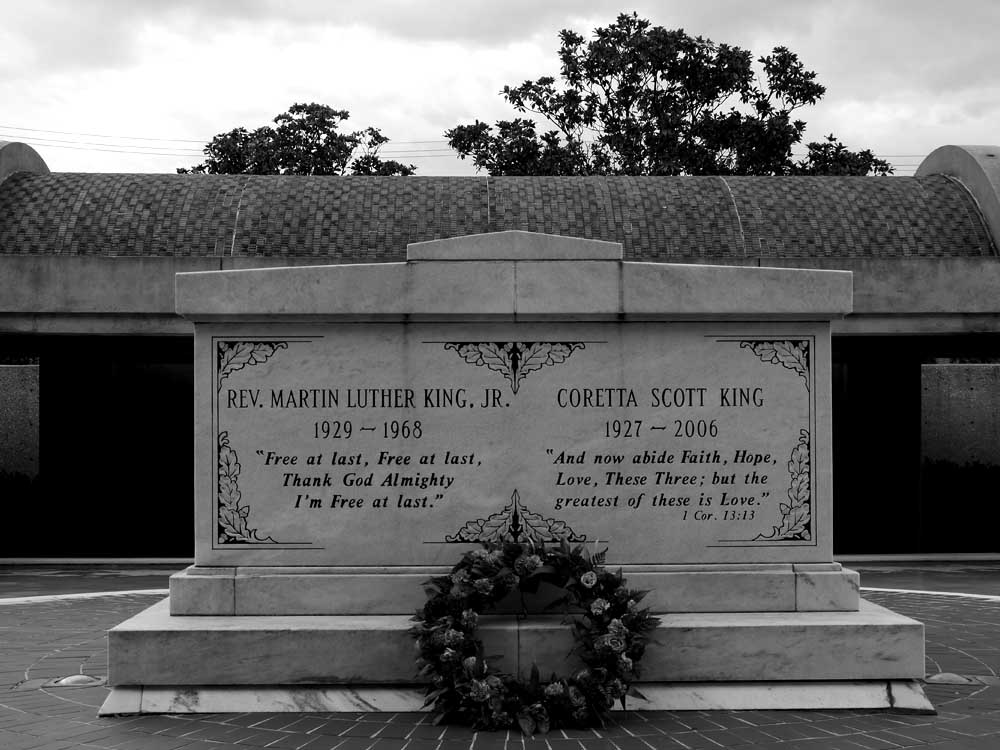
Across the road is the crypt where his remains were reinterred in 1970, and where, in 2006, his widow Coretta was finally reunited with her husband. 

I imagine the crypt of Georgia marble shines hopefully in the sun, but it stands with muted despair on less temperate days.

Few others were in attendance when I visited, which allowed lengthy and quiet contemplation, but also admitted a pinprick of fear that maybe the efforts of King and his contemporaries have been ever-so-slightly forgotten. But no, surely it's just the lateness of the hour and the threatening skies keeping them away.

The King Center has organised a programme of rolling events to celebrate the anniversary. Thousands of people have already made or started the journey to be in Washington this week. At the Lincoln Memorial, the place from where King delivered his address is marked with an inscription. The path to the front door of his childhood home is similarly identified. 

As we celebrate his remarkable oratory this week, the somber white crypt in a quiet Atlanta street, reminds us all how that The Dream was cut short, and how half a century later, for many it remains unrealised.

The Martin Luther King, Jr National Historic Site is located at 449 Auburn Avenue, NE
 Atlanta, Georgia. More information, including the excellent online archive, is available at the King Center website.

Listen to the speech here.

Design Class: the deceptive simplicity of just one tree

Sometimes it’s easy to think of designers as a weird, black-clad species that flounces around shouting “Just make it pink! I vant everythink to be pink!” 

And admittedly, I’m sure there are some like that out there.

And…ahem…some of us do like black.

However for most designers, what they do is bloody hard work. Fun, and the only thing they could possibly imagine doing, but hard work nonetheless.

The sheer quantity and complexity of everything that must be considered can be enormous, even on the most seemingly simple of projects.

Today I’d like to share a landscape design exercise that I find very humbling. On the one hand, it lets complex tasks be broken down into smaller chunks. On the other, it reinforces the importance and impact of every decision we make when designing.

You start by imagining your favourite garden, park or street. I’m going to use the one we analysed recently.

That's the house in the middle. The shed is on the far right, and the street is to the left.

Now for the fun (and tricky) part.

You’re in charge, but you’re only allowed one tree. Just one tree. (You don’t need to consider what species at this point.)

Where are you going to plant it, and why?

For me, answering these seemingly simple questions requires me to think very strategically about how the different spaces in the garden already work, and how this new tree will alter things.

Here are a few of the options I considered:

Option 1

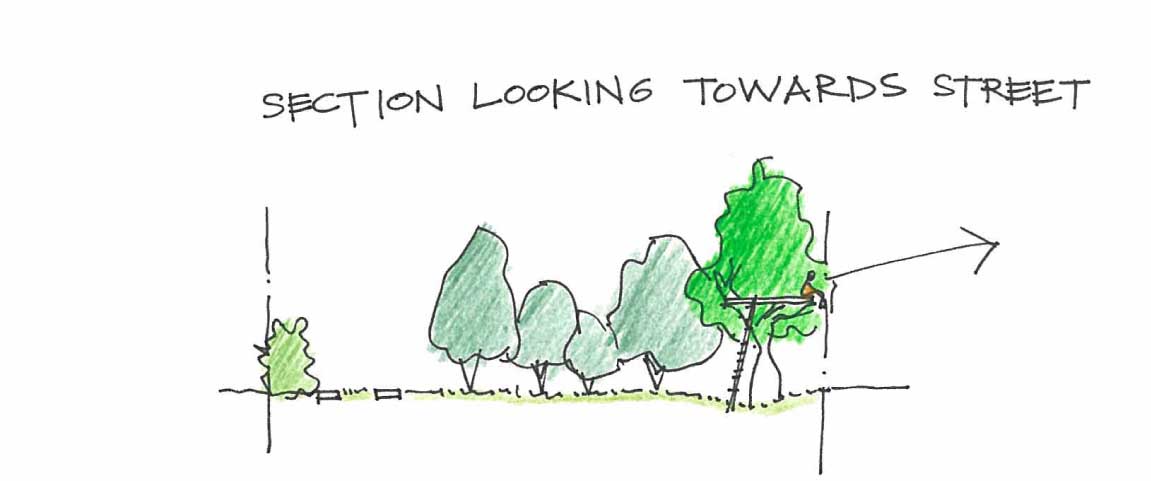
Placing the tree in the top left (north) corner. A tree here would provide additional privacy from the street.

Placing the tree in the top left (north) corner. A tree here would provide additional privacy from the street.

As the tree grows in this location I could build a platform in the branches and see across to the lake over the road.

As the tree grows in this location I could build a platform in the branches and see across to the lake over the road.

Option 2 

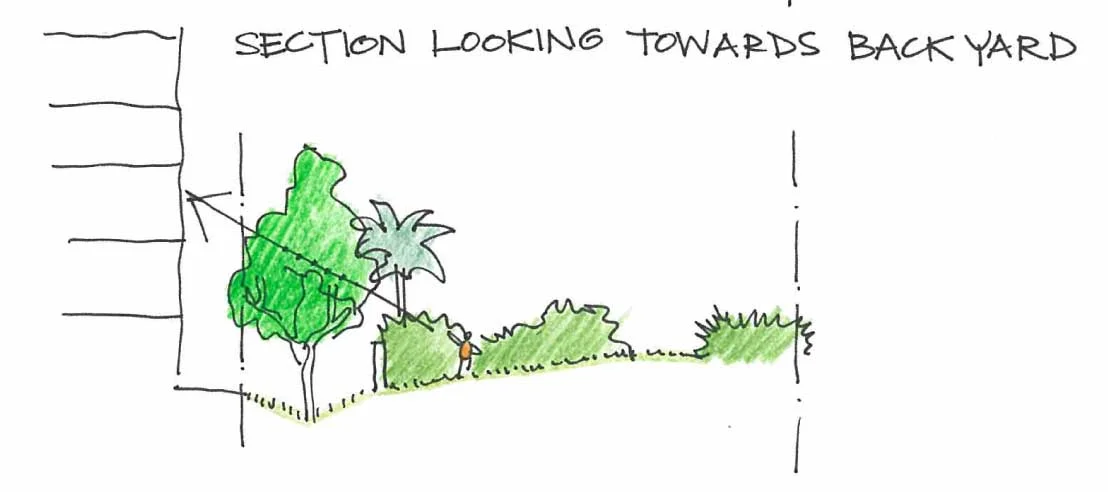
Placing the tree between the internal screen wall and the boundary.

Placing the tree between the internal screen wall and the boundary.

A tree here would help screen the back of the development proposed for next door, and would provide an element that’s closer in scale as the new multistory building.

A tree here would help screen the back of the development proposed for next door, and would provide an element that’s closer in scale as the new multistory building.

Option 3

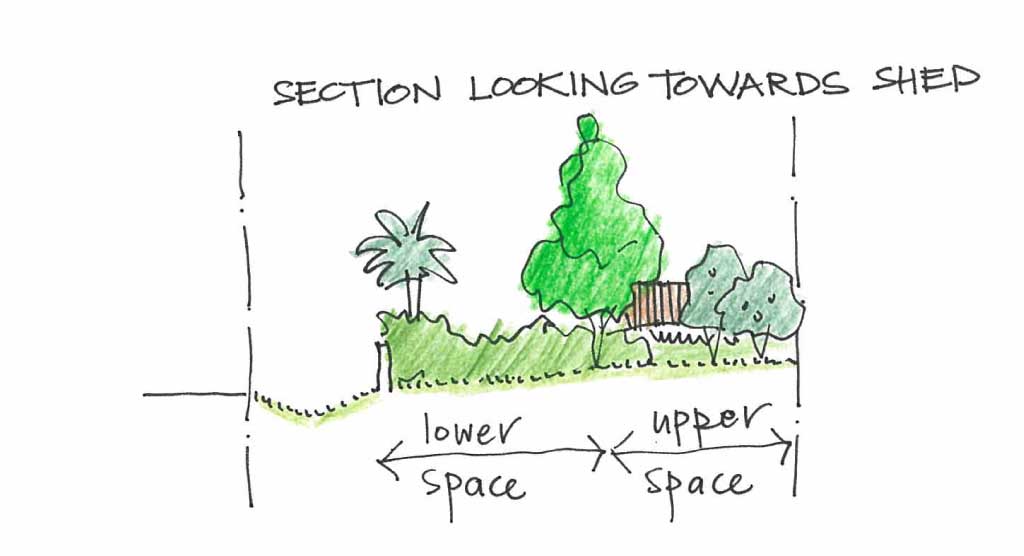
Placing the tree at the end of the existing planting, inside the screen wall. A tree here would shade the flat section of yard directly outside the house, enabling it to be used for more hours of the day.

Placing the tree at the end of the existing planting, inside the screen wall. A tree here would shade the flat section of yard directly outside the house, enabling it to be used for more hours of the day.

The tree would act as turning point or fulcrum between these two sections of the garden, allowing them to read as their own particular places. This tree would also start to screen the shed, so it would be less visible from inside the house.

The tree would act as turning point or fulcrum between these two sections of the garden, allowing them to read as their own particular places. This tree would also start to screen the shed, so it would be less visible from inside the house.

Each of these options creates different spaces and function in different ways. Which would you choose?

Where have you placed your tree? Why?

To really see the power of this exercise, ask someone else to imagine the same space you chose. Then, without giving away your answer, ask them where they would place just one tree, and why.

I love the one tree exercise because on the surface it seems so simple. But it’s valuable for three reasons.

Firstly, it shows that every complex design problem can be broken down into smaller parts.

Secondly, it shows that there are lots of possible solutions to even the simplest design challenge.

Following on, thirdly, it shows that every decision we make is a design decision, and the choices we make about all decisions have a direct impact on the spaces and functions of our landscapes. We do well to proceed thoughtfully.

So tell me…where did you plant your tree, and why?

ps: Let me know if you liked the coloured pencil versions of the sketches this week. (I do) Leave a comment below, or drop me a line. Thanks!

Zollverein: the World's Most Beautiful Colliery

Last week the 2013 Think Brick awards were announced.

Brick has been undergoing somewhat of a renaissance here amongst designers. Perhaps it’s a simple case of today’s generation of architects discovering and appreciating the many super stylin’ brick houses created by great Australian architects at the peak of their game in the 1960s and 70s. (Treat yourself to a flick through Living and Partly Living if you need refreshing or convincing).

Whatever the reason, brick is suddenly ‘in’ again.

All this thinking about brick got me musing about the astonishing collection of buildings that make up the Zollverein World Heritage Site in Essen, Germany.

Essen is in the country’s central far west, part of the Emscher and Ruhr valleys that were the epicenter of Germany industrialisation.

Fuelled by extensive coal deposits, the collieries and steelworks of the region were critical to wartime armament production, and then to the post-war economic boom of the 1950s and 60s.  As settlements and people followed industry and employment, this became the most densely populated area in the Ruhr valley.

Zollverein was established in 1847, when Franz Haniel bought and amalgamated 14 coalfields north of Essen. By the late 1920s the Haniel family company had been through several mergers, eventually becoming part of the largest steel group in Europe.

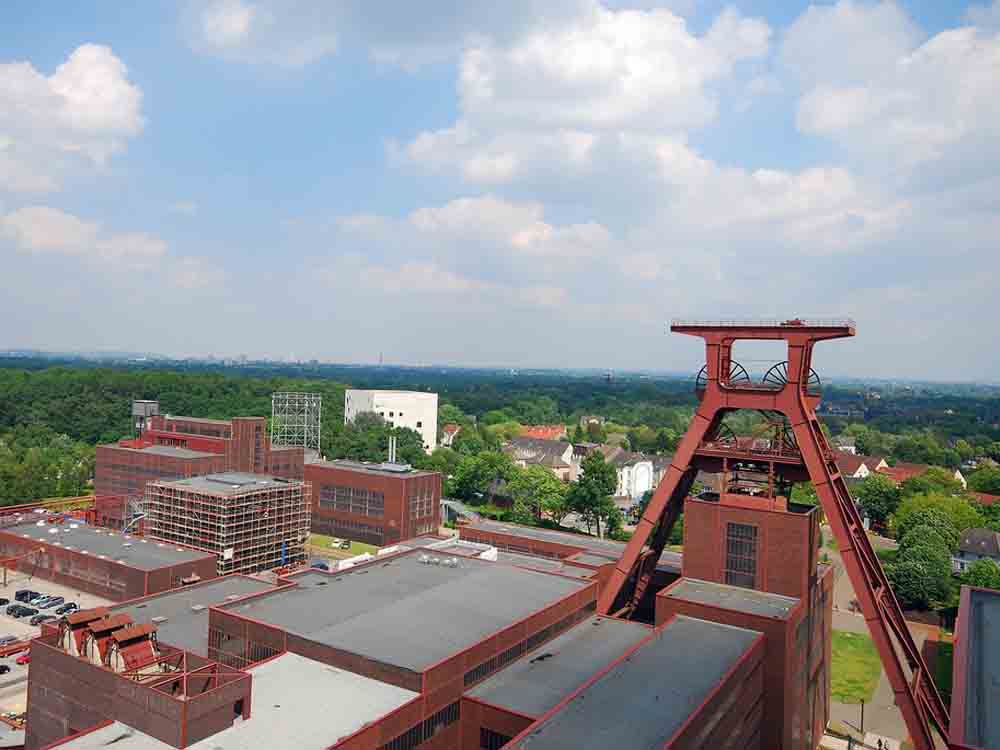
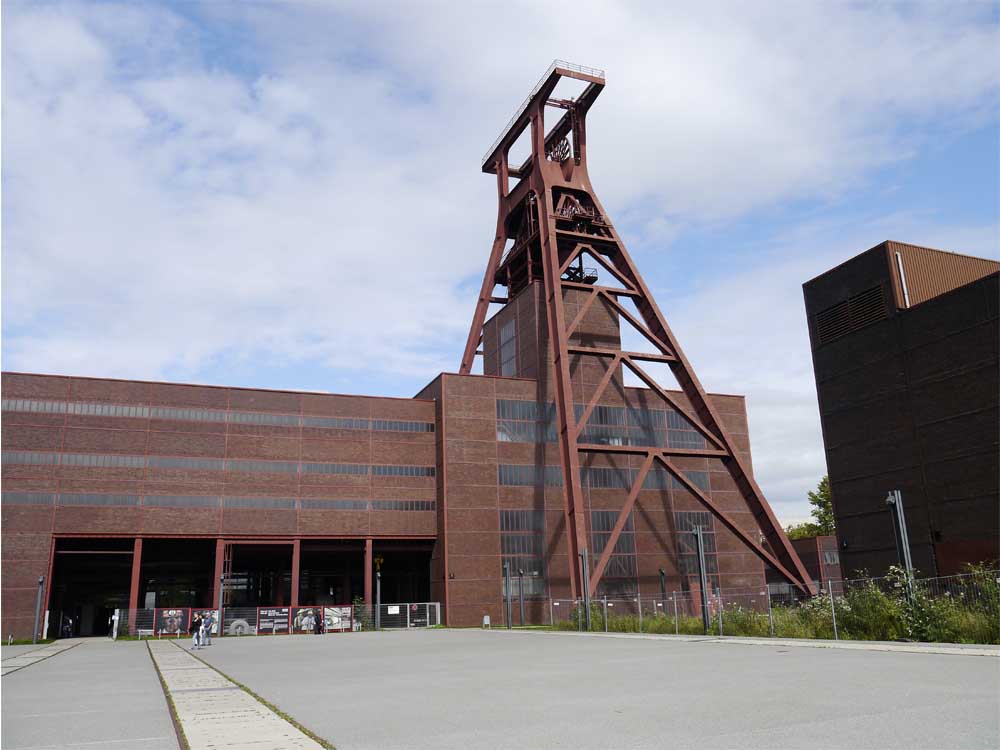
Looking across part of the complex at Zollverein.

As tends to happen in these situations, hugely ambitious production and cost saving goals were set for Zollverein, and the plant underwent a major redevelopment.

Here’s where it starts to get interesting

Architects Fritz Schupp and Martin Kremmer were engaged to design all the above-ground structures.  Yes, even though the company was pursuing cost savings. Brilliant!
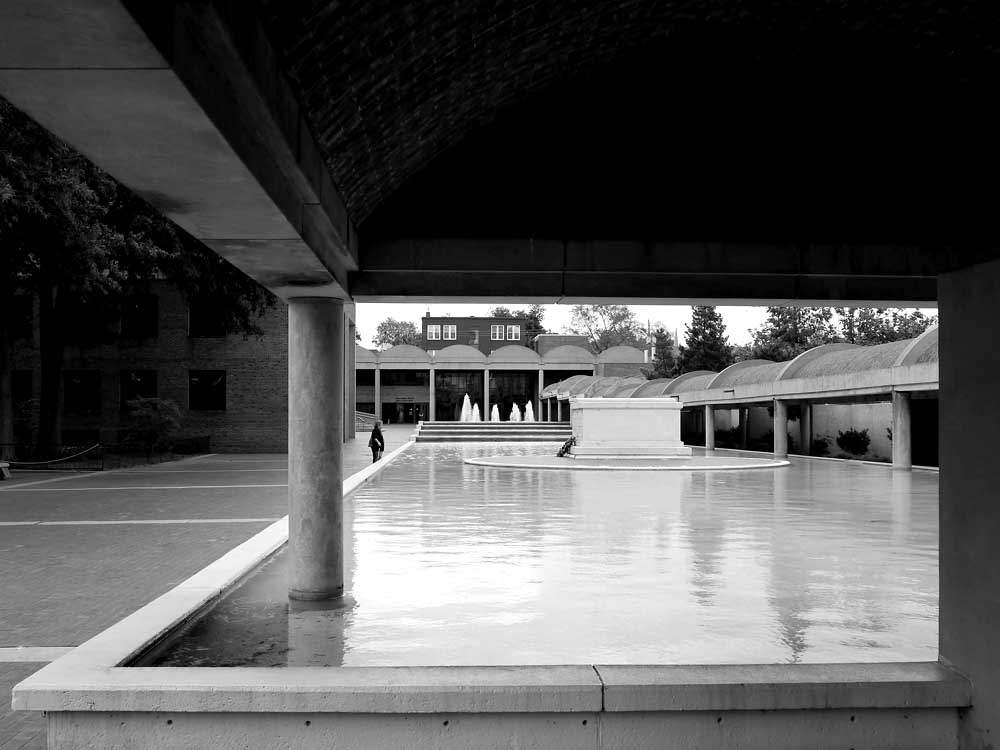
Working closely with the mine’s engineers, Schupp and Kremmer replanned the site, with a ‘production axis’ and an ‘energy axis’ intersecting at a large court in front of the main shaft building and pithead. 

The functions of the site also influenced the architectural design. A system of steel framed structures, with brick and glass weather screens, was developed for the pit buildings, which, despite their different functions, all had to provide long clear spans and bear heavy vertical loads. 

A refined and austere collection of steel framed and brick clad buildings was the result. 

Adapting this system to each building gave a strong sense of order to to the site.

Contrasting the simple cubic forms was the mighty pit head itself, expressed in an open steel structure of great elegance. 

When the new Zollverein opened in 1932 it quickly earned the title of ‘The Most Beautiful Colliery in The World’. I think that was a pretty fair call.

In the 1970s Germany started to become less competitive in the global coal market.  By the late-1980s it was all over: mines, smelters, refineries, coking plants and blast furnaces all closed their doors and were silent. The last shift went down the Zollverein pit shaft in 1986. The coking plant closed in 1993.

The owners planned to clear the site. Many others fought to save it, and at the end of 1986 the entire shaft site was heritage listed. The state of Rhine-Westphalia bought the site from the city of Essen and from 1989 to 1999 it was rehabilitated and redeveloped.

Today Zollverein is the cultural and artistic centerpiece of the Ruhr region, with the 55 metre high former pit head standing sentinel over the place.

Rem Koolhaas’s office, OMA, completed a master plan for the site in 2002.  The landscape master plan was the work of Agence Ter.

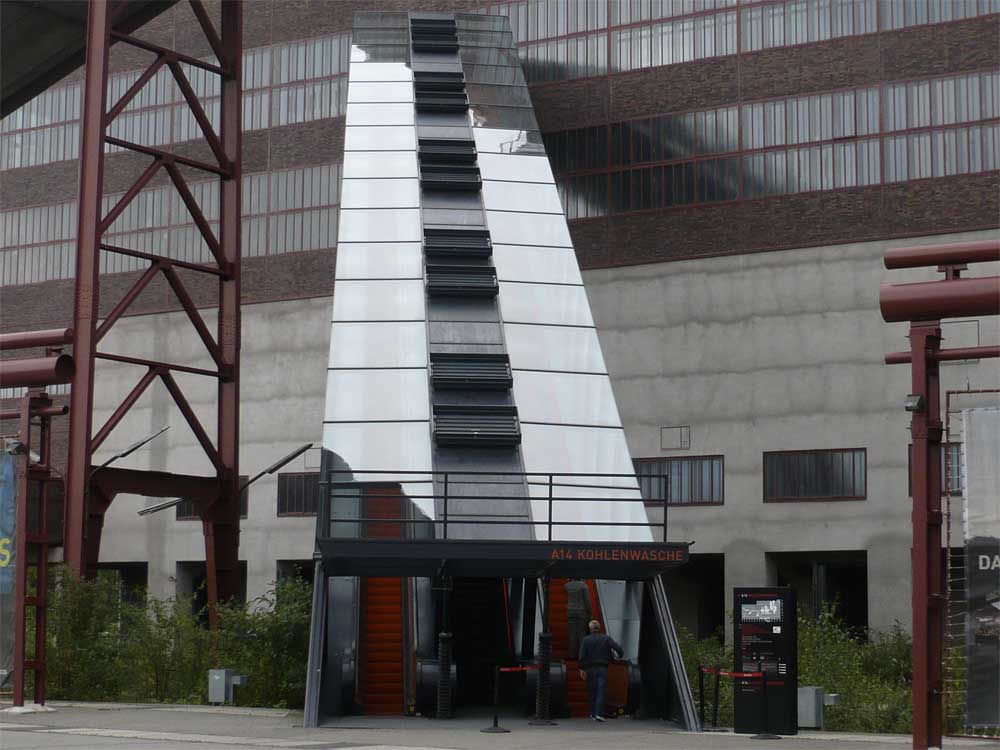
The coal washing plant, the largest building on the site, was converted into a Visitor Centre and houses the Ruhr Museum. Details in the loooong stair and escalator are inspired by flowing molten steel.

The Zollverein School of Design and Management occupies a building designed by Saanaa. Its pristine sugarcube form is inspired by the existing cubic structures.

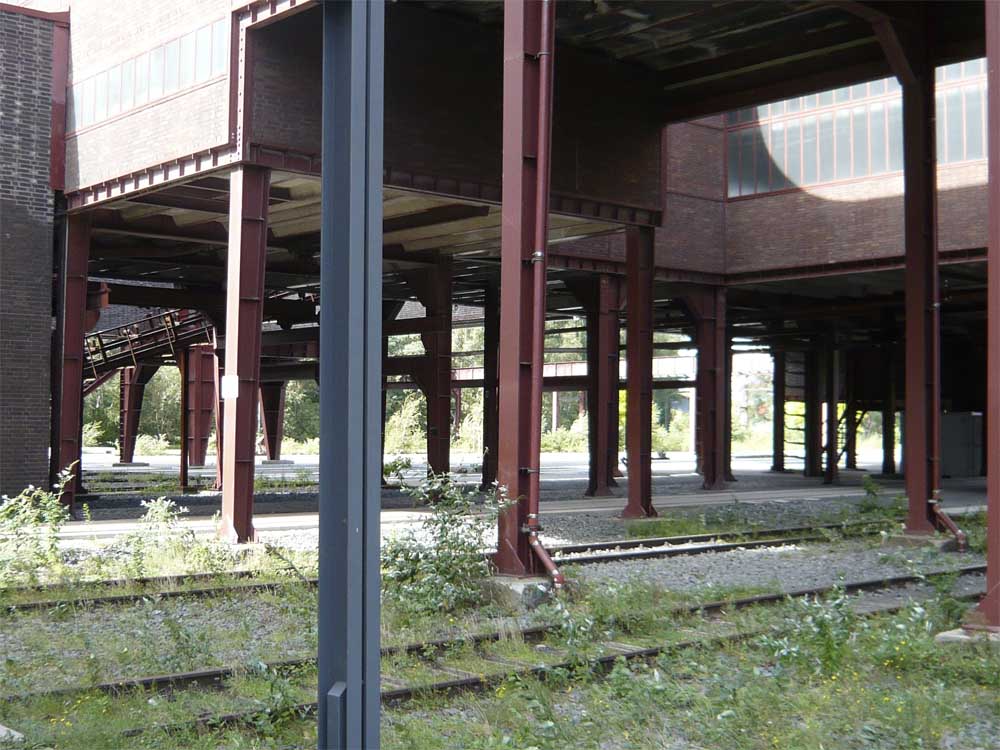
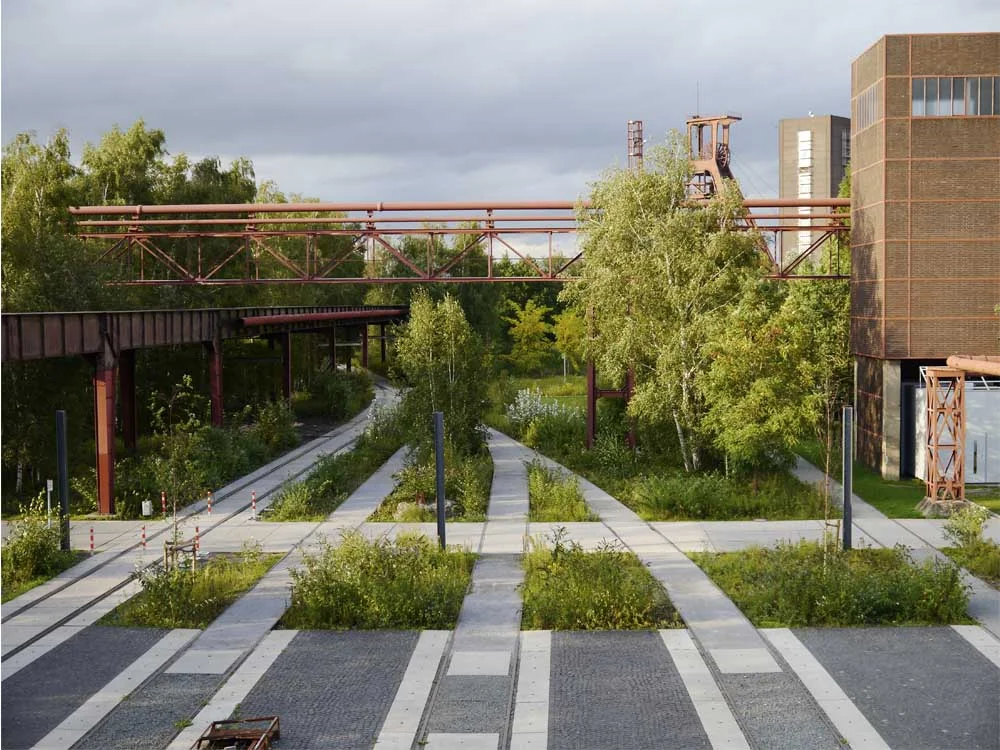
Nearby parts of the site look to have run wild.

Many of the older buildings are still off limits, awaiting their appointment with the makeover squad. 

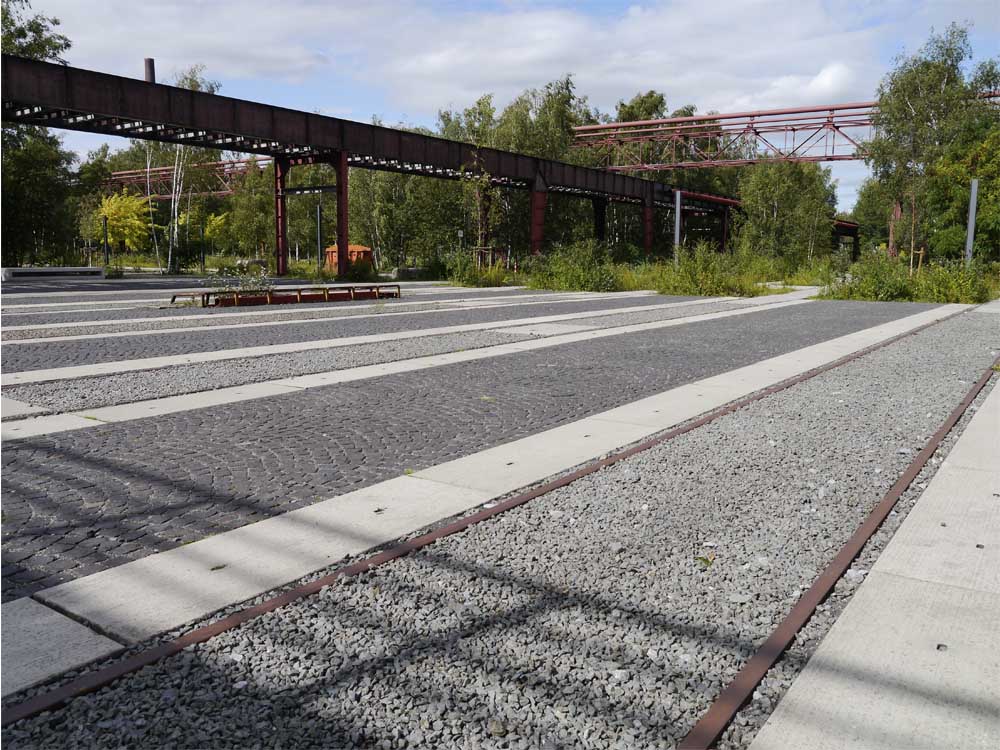
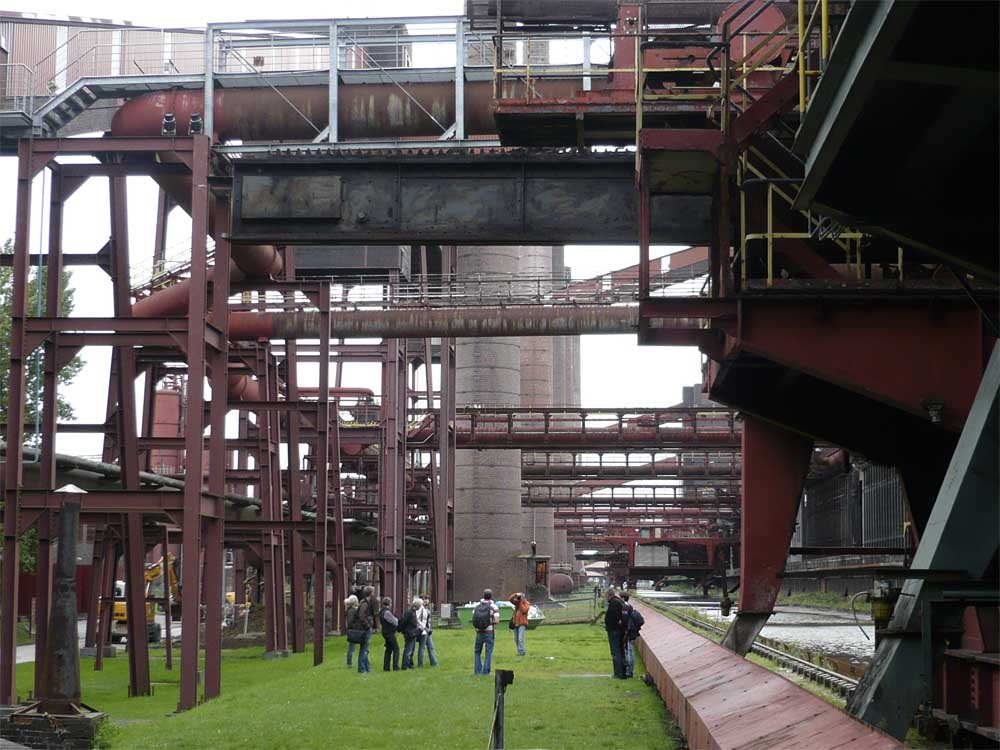
Just across the road (ie: take a packed lunch for your walk) is the former coking plant, a stupendous, 400 metre long affair trailing tentacles of pipes and gangways. 

Visitors are dwarfed by the [insert superlative of choice here] structure. 

At ground level, old machinery and equipment has been replaced by a Versaille-scale water body. 

In winter there is skating! 

In summer you can take a dip in the pool... 

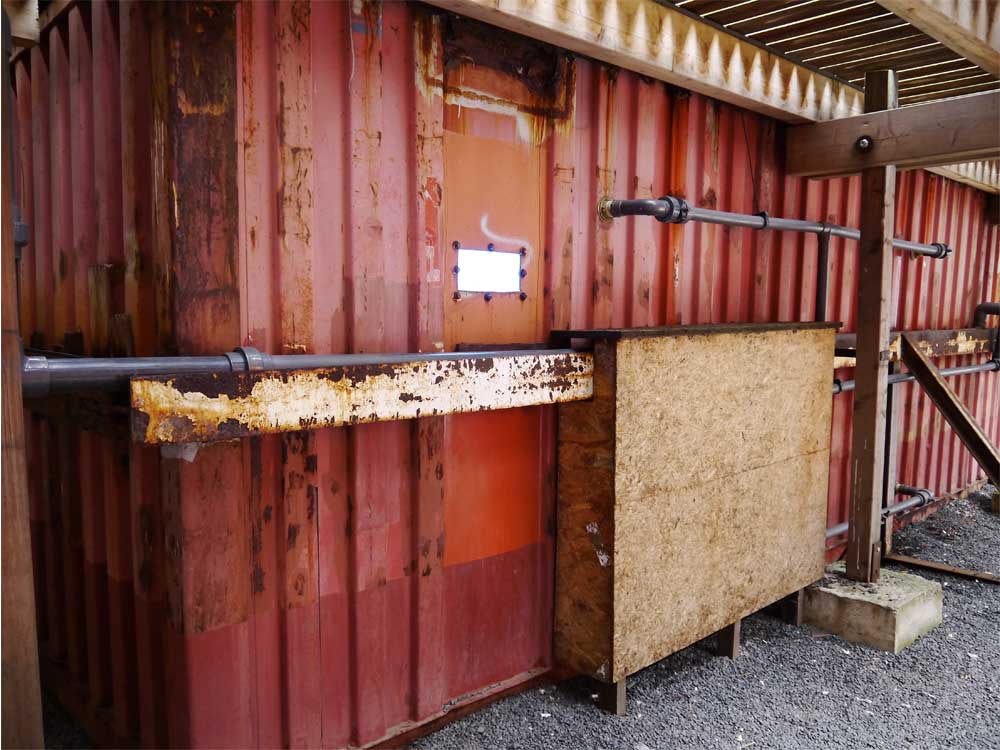
...or peek into the shipping containers holding the water below. 

The rebirth of Zollverein coincided with the International Building Exhibition Emscher Park (the IBA), a ten year state government initiative tasked with achieving the ecological, economic, and urban revitalization of the Emscher River and Ruhr Valley.

One of the IBA’s radical development philosophy was the proposal that everything from the predominantly industrial past was worth preserving.

Visiting Zollverein today doesn't just bring you face-to-face with beautiful architecture, fine landscape architecture, and evocative ruins. It reveals a hugely important site of economic production that was previously off-limits except to its workers. It shows the power of vision and commitment to work with existing redundant infrastructure, and create viable new uses. And it works not just as a stand-along monument, but as a vital, and extraordinary link in a vast regional industrial landscape.

Now it’s over to you.

What do you think of the steel, brick and glass building treatment at Zollverein? Do you think Zollverein provides any clues for how we might think about mining and industrial sites here in Australia? Are there any that have been designed as proud civic buildings, or as part of a deliberate assemblage? What are our plans for our extractive industry sites once mining finishes?

I’d love to know your thoughts – join the conversation in the comments section below.

If you know someone who’d enjoy reading this article be sure to share it, and check back soon for more from the wonderful world of landscape, architecture and design.


Image credits:

Aerial view showing pit head and Saanaa building beyond

Image by Victor Bayon

File licensed under Creative Commons Attribution-NonCommercial-ShareAlike 2.0 Generic (CC BY-NC-SA 2.0)

Image retrieved from http://www.flickr.com/photos/formalfallacy/3641897195/sizes/l/in/photolist-6xPF9X-6xPfHt-6xPg5x-6xTPCN-6xT5nq-6xTPaL-6xT4JQ-6xPdAx-8yeLeV-8yeLJR-8yhNNy-8yhQ19-8yhQKN-8yhQpN-8yhN25-cqAaWm-9BbSDL-9BbR9u-9B8Yht-9B8YD2-5hDy4q-6y3o58-7HxSB2-5hzbNx-eAUc6r-eAUcEv-eAXky7-arKUrd-arKUEU-bkvTiK-4bumjE-7MYTn1-9saLzd-9s7MMR-9saLAG-aCaTKJ-7VKS4w-4bpqCi-8Gzqvy-8Gsvng-8GvG5Y-8GvBr5-a7krWL-5hzaXe-8rSi74-dkhf64-8rSebH-3uMKpW-3uMKNN-8EyfWg-4bq2fV/ on 10.08.13

Night skating

Image by Felix Montino

File licensed under Creative Commons Attribution 2.0 Generic (CC BY 2.0)

Image retrieved from http://www.flickr.com/photos/felixmontino/5305887665/sizes/l/in/photolist-95S4xP-gmH1L-5tKoXS-8seasf-apzPuZ-3uHgZH-9nw1ka-dRE3ZR-dKryhL-dJgCxw-6xPF9X-6xPfHt-6xPgpR-6xPg5x-6xTPCN-6xT5nq-6xTPaL-6xT4JQ-6xPdAx-8yeLeV-8yeLJR-8yhNNy-8yhQ19-8yhQKN-8yhQpN-8yhN25-cqAaWm-9BbSDL-9BbR9u-9B8Yht-9B8YD2-5hDy4q-6y3o58-6h6Q1U-7HxSB2-5hzbNx-eAUc6r-eAUcEv-eAXky7-arKUrd-arKUEU-bkvTiK-7zY15z-7zY15V-rAm9x-8MaSHK-8Gzqvy-8Gsvng-8GvG5Y-8GvBr5-a7krWL/ on 10.08.13

All other images by A. J. Wright and R. A. Buchanan.

Find out more about Zollverein:

Zollverein is located at Gelsenkirchener Straße 181, 45309 Essen, Germany. Its English-version website is currently being updated, but there is still some good basic info available. The German site is available at the same link.